Different parts of the body
As well as talking about yourself in terms of your name and age in Mandarin, it can be useful to be able to talk about body parts.
| Mandarin | Pinyin | English |
|---|---|---|
| Check your connection, refresh the page and try again. | tóu | head |
| Check your connection, refresh the page and try again. | tóu fà | hair |
| Check your connection, refresh the page and try again. | yǎn jīng | eye |
| Check your connection, refresh the page and try again. | bí zi | nose |
| Check your connection, refresh the page and try again. | ěr duo | ear |
| Check your connection, refresh the page and try again. | zuǐ ba | mouth |
| Check your connection, refresh the page and try again. | bó zi | neck |
| Check your connection, refresh the page and try again. | bèi | back |
| Check your connection, refresh the page and try again. | dù zi | stomach |
| Check your connection, refresh the page and try again. | tuǐ | leg |
| Check your connection, refresh the page and try again. | jiǎo | foot or feet |
| Check your connection, refresh the page and try again. | shǒu | hand |
| Check your connection, refresh the page and try again. | gē bo | arm |
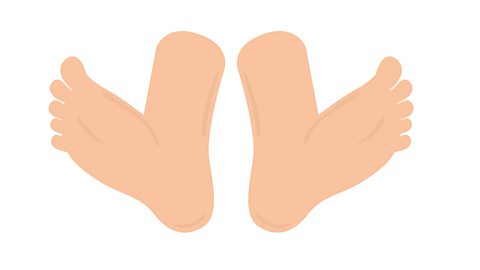
Did you know?
Mandarin does not make any difference between singular and plural, ie you do not add an ‘s’ or change the word form as in ‘mouse’ and ‘mice’.
This means that ‘Check your connection, refresh the page and try again.jiǎo’ means both ‘foot’ and ‘feet’.
Talking about parts of the body
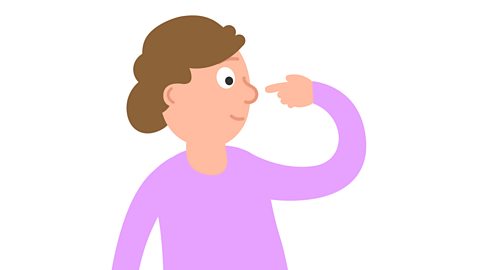
You can combine these body parts with the Mandarin phrase Check your connection, refresh the page and try again.Zhè shì (This is), for example:
Check your connection, refresh the page and try again.Zhè shì wǒ de bí zi – This is my nose
More useful, though, would be to add the Mandarin word ‘Check your connection, refresh the page and try again.téng‘ (hurt).
For example:
Check your connection, refresh the page and try again.Wǒ tóu téng – My head hurts
Check your connection, refresh the page and try again.Wǒ dù zi téng – My stomach hurts
Check your connection, refresh the page and try again.Wǒ yǎn jīng téng – My eyes hurt
Describe parts of the body
When describing parts of the body in Mandarin, you need to know some common adjectives.
| Mandarin | Pinyin | English |
|---|---|---|
| Check your connection, refresh the page and try again. | dà | big |
| Check your connection, refresh the page and try again. | xiǎo | small |
| Check your connection, refresh the page and try again. | cháng | long |
| Check your connection, refresh the page and try again. | duǎn | short (not long) |
| Check your connection, refresh the page and try again. | gāo | tall |
| Check your connection, refresh the page and try again. | ǎi | short (not tall) |
| Check your connection, refresh the page and try again. | shòu | slim |
| Check your connection, refresh the page and try again. | pàng | fat |
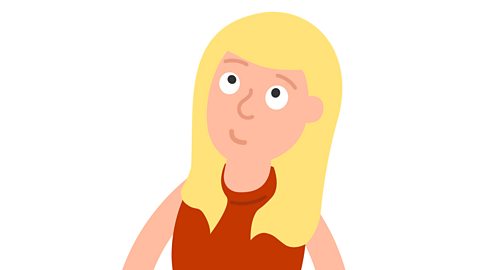
So, to say ‘My hair is long’ in Mandarin, you would say:
Check your connection, refresh the page and try again.Wǒ de tóu fa cháng – My hair is long
You could also use the word Check your connection, refresh the page and try again.hěn (very) in Mandarin before the body part for emphasis.
Hair and eye colour
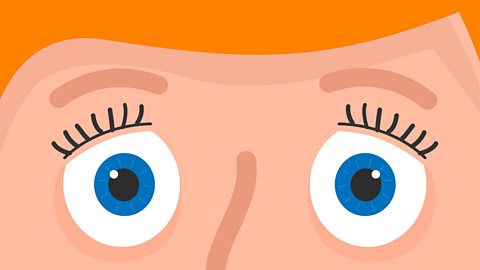
Some examples for using colours to describe your eyes and hair in Mandarin include:
Check your connection, refresh the page and try again.Wǒ de yǎn jīng shì lán sè de – My eyes are blue
Check your connection, refresh the page and try again.Wǒ de tóu fa shì hóng sè de – My hair is red
To learn more about colours in Mandarin, click here.
Quiz
Play Dash and Blink: Missing Mandarin! game
Construct simple phrases and develop an understanding of vocabulary and grammar with this KS2 Mandarin game.

More on Mandarin speaking
Find out more by working through a topic
- count4 of 12

- count5 of 12

- count6 of 12

- count7 of 12