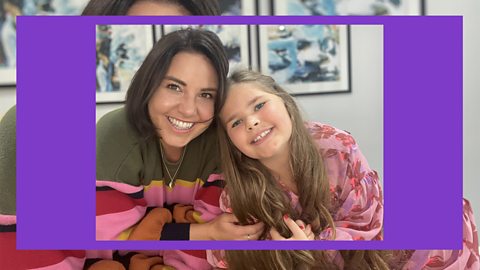
As awareness of the disorder grows, more parents than ever are asking themselves, ‘Does my child have ADHD?’
To find out what ADHD (Attention Deficit Hyperactivity Disorder) actually is and how you might support your child if they have it, we spoke to Community Paediatrician Dr Richard Lee-Kelland…
Dr Richard Lee-Kelland: Help your child understand their ADHD and keep it positive!
VO: Let’s learn about ADHD
Dr Richard Lee-Kelland: Hi, my name is Dr Richard Lee-Kelland. I’m a community paediatrician working in Bristol.
VO: What does ADHD stand for?
Dr Richard Lee-Kelland: So, ADHD stands for attention deficit hyperactivity disorder.
VO: What is ADHD?
Dr Richard Lee-Kelland: It’s a condition that’s characterised by two main areas of difficulty for the child or young person. The first is inattention, so that describes children that have difficulty concentrating. They might have, for example, problems with forgetting things, organising themselves or struggling to keep focused on what teacher is saying in the classroom.
Dr Richard Lee-Kelland: The second area is hyperactivity and impulsivity. Children that are constantly moving, struggling to stay still and fidgeting, interrupting people, overtaking children in a queue, and they may also have a lot of difficulty with danger awareness.
VO: How do you get diagnosed with ADHD?
Dr Richard Lee-Kelland: A doctor needs to have careful a consideration about those symptoms, making sure that they’re significant, that they’ve been happening for a long period of time and that they’re pervasive which means they’re happening in different environments. They also have to be really confident that there’s not another condition, other than ADHD, that might be causing those problems.
VO: Can you treat ADHD?
Dr Richard Lee-Kelland: ADHD is not simply “bad behaviour.” We don’t have a cure for ADHD but we do have lots of evidence based treatments that can help support children. For example, there are interventions and adaptations in school that can help support a child with ADHD, advice and support for families and children themselves for managing their ADHD symptoms, and for some children we also have medications that can help.
VO: What happens next?
Dr Richard Lee-Kelland: In the first instance, talk to your child’s teacher and you can also talk to your school’s special educational needs coordinator or SENCO. A GP can also help provide advice and support. All those professionals will have an understanding about ADHD and can help point you towards local support groups. They can also decide if it’s appropriate to refer you to an individual who specialises in ADHD diagnosis and management, like myself.
Dr Richard Lee-Kelland: Talk to your child about ADHD and keep it positive. It’s really important that, as a parent, you sit down with them and help them understand their condition. It’s important when you’re doing it that you’re stressing all the positive things about having ADHD and talk about your child’s individual strengths, whether that be their personality, enthusiasm for things or other things that they’re doing really really well in their life.
What is ADHD?
ADHD stands for Attention Deficit Hyperactivity Disorder.
For children, there are two main areas of difficulty associated with ADHD…
Inattention - This involves forgetting things, difficulty concentrating, organising themselves or focusing on what a teacher is saying.
Hyperactivity and Impulsivity – Symptoms include struggling to stay still, fidgeting, interrupting people, overtaking people in a queue, not waiting their turn, or a lack of danger awareness.
Lots of children might have some of these symptoms at some point in their lives.
For a diagnosis of ADHD to be made, a professional has to make sure these factors are considered…
The symptoms must be causing significant difficulties for the child, happening over a long period of time and pervasive (happening in different environments).
A professional needs to be confident that there’s not a condition other than ADHD that might be the cause of the symptoms.
Can you treat ADHD?
ADHD isn’t ”bad behaviour” and it isn’t caused by a particular parenting style.
There is evidence-based help out there to manage or improve their child’s symptoms, including…
In-school interventions and adaptations that can help support a child with ADHD.
ADHD: What parents want to know about schoolsFree advice and support for families and children on managing symptoms.
For some children, there are medications that can help.
ADHD: What parents want to know about medication
Five tips for managing your child's ADHD
1. Encourage good sleeping habits
We know lots of children with ADHD struggle with their sleep and this can cause problems concentrating at school. Speak to your GP or paediatrician if your child has persistent problems with sleep.
2. Make instructions simple
Avoid giving them long, complicated or multi-part instructions. Make their tasks small and give them lots of praise when they get it right.
3. Offer breaks
If you think an activity is going to be demanding, be proactive and build in short breaks. This will help make the activity feel more manageable.
4. Keep a simple routine
Routines help children, including those with ADHD, focus on one thing at a time. If they know what they are doing every day, this helps them to keep organised. Make sure their meals are regular, including a good breakfast so that they are not hungry at school.
5. Help them understand their ADHD
As a parent, you should talk to your child about their ADHD. You could focus on the positives of having ADHD and highlight your child’s unique strengths - from their personality, to their passions. Your doctor can help support you in this with age-appropriate resources for children about ADHD.
What's next?
Talk to your child’s teacher, the school’s Special Educational Needs Coordinator (SENCo), and your child’s GP.
These professionals can provide direct support for your child, and decide with you whether to refer to a professional that specialises in ADHD diagnosis and management.


More from BBC Bitesize Parenting
Bitesize Parenting
Fun activities, real-life stories, wellbeing support and loads of helpful advice - we're here for you and your child.

Mental health first aid kit for parents: Who to ask and what to do
Worried that your child needs help with their mental health? Here's how you can access professional help and support your child while you wait.

School anxiety and refusal: How to help your child get through tough times
Tips to help parents understand emotionally-based school avoidance and offer support to their child.

Five tips to support the after-school ‘meltdown’
Expert advice on how to cope with after-school restraint collapse as a parent.

Jacques O'Neill: Growing up with ADHD
The Love Island star talks about being diagnosed with ADHD, difficulties in school and how his mum and rugby helped him thrive.
What is it like to parent a child with ADHD?
Real parents talk about their experiences having a child with ADHD and offer their advice for parents in a similar situation.