Seven Wonders of the World
Through time, various lists of the Wonders of the World have been compiled, cataloguing some of the most famous and historically important landmarks on Earth. From stunning natural wonders to human-built structures, generations of tourists have travelled across the globe to see them with their own eyes.
Exploring the empires that surrounded the Mediterranean, it was travellers from Ancient Greece who took note of the incredible sights they saw and compiled their own list of the Seven Wonders of the Ancient World. But back in 2007, results from a worldwide poll, which saw 100 million votes cast, created a new, updated list, known as the New Seven Wonders of the World.
But how much do you know about them? Here, BBC Bitesize takes a closer look at the New Seven Wonders of the World and why they are so special.

1. Great Wall of China
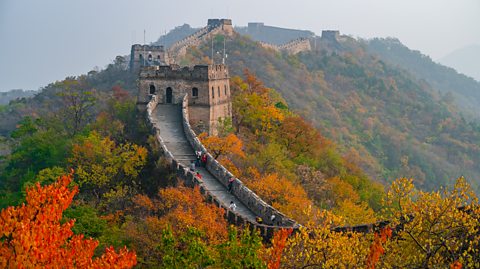
With a history spanning over 2000 years, the Great Wall of China has long been admired as a symbol of strength and Chinese culture, holding the world record for being the longest wall in the world.
Beginning its life as a series of small walls, the construction of the phenomenal structure started around 220 BC and the Great Wall's sections add up to a total of 13,171 miles (21,196 km) - over a tenth of the diameter of Earth. Spanning thousands of miles along China’s historic northern border, it was China’s first Emperor, Qin Shi Huang, who unified many existing walls to protect China from northern invaders.
Every year, millions walk along the wonder and BBC Bitesize previously shared one key ingredient that’s held the Great Wall together for around 1,500 years.
2. Chichén Itzá
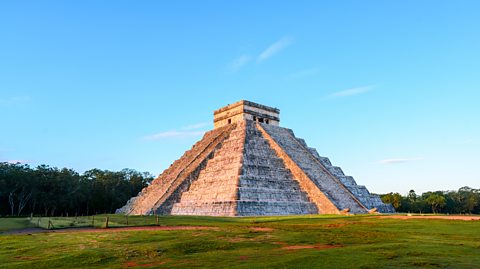
Located in the Mexican state of Yucatán lies the historic Mayan city of Chichén Itzá. The Maya civilisation began long ago in a place called Mesoamerica and this huge area is made up of Mexico and part of Central America.
Chichén means “mouth of the well,” while Itzá refers to those who founded, the so-called water sorcerers, who founded the sacred city around the 6th century AD. The archaeological site is home to several monuments and temples, the most famous being El Castillo, also known as the Temple of Kukulcan.
El Castillo is a step pyramid, featuring 91 steps each side and a total of 365 steps all together.
3. Petra
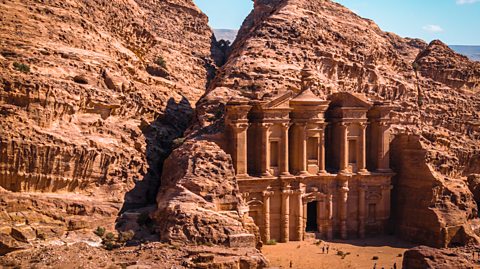
A stunning city carved into sandstone cliffs; Petra is in southern Jordan and is one of the oldest cities in the world. Also known as the Rose City, for the rose-red rock which many of Petra’s structures were carved, the exact date of Petra’s construction is unknown.
But the city began to prosper as the capital of the Nabataean Empire from the 1st century BC, serving as the capital of the Nabataean people, an Arab tribe, for many years. Later, it became a settlement for the Romans and the Byzantines.
In recent decades, Petra has also served as an impressive backdrop for famous films like Indiana Jones and the Last Crusade.
4. Machu Picchu
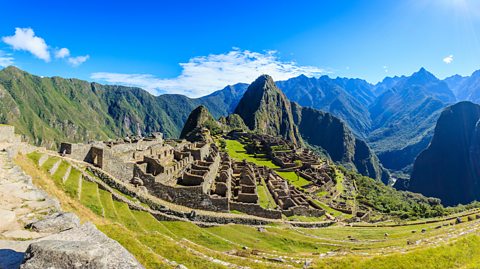
In the High Andes of Peru, Machu Picchu's historic city ruins were built in the 1400s by the Inca Empire. Also referred to as the Lost City of the Incas, it is believed to have served as a royal estate for the Inca emperor, Pachacuti.
The Incas are said to have abandoned the site a century later, but much of its history has been preserved. The citadel is perched high above the Urubamba river and has seen many visitors, especially in the last century.
In 1911, Machu Picchu was rediscovered by American archaeologist Hiram Bingham, which brought worldwide attention to the trail previously unknown to the Western world.
5. Christ the Redeemer
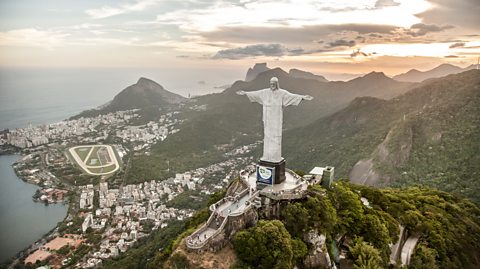
Located at the top of the Corcovado Mountain in Rio de Janeiro, Brazil, you’ll find the colossal statue that is Christ the Redeemer.
The spectacular 98-foot symbol of Christ was completed in 1931 and took nine years to build. The much-celebrated statue is the largest Art Deco sculpture in the world and was designed by French-Polish sculptor Paul Landowski, with the construction being carried out by Brazilian engineer Heitor da Silva Costa and French engineer Albert Caquot.
Almost a century on, it is synonymous with Rio’s landscape and from the bustling city below, many make the journey up the mountain to see Christ the Redeemer in all its glory.
6. The Colosseum
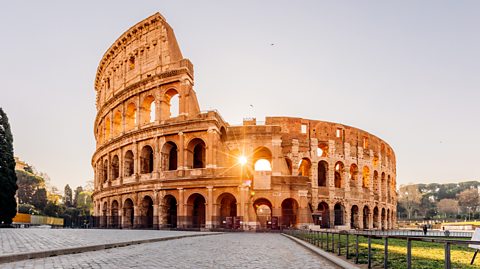
Found at the centre of Rome, The Colosseum is without a doubt one of the most historic and well-known landmarks in the Italian capital.
Completed in AD 80, the site was originally used in Ancient Rome for public spectacles, from gladiatorial contests to animal hunts and more. Thought to have had a capacity of up to 80,000 people in its day, in its time, emperors would host elaborate performances or contests, and many people would visit to watch gladiators fight in theatrical events.
The largest ancient amphitheatre ever built, it continues to attract millions of visitors from across the globe every year.
7. The Taj Mahal
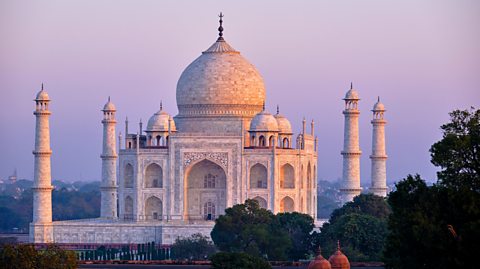
Last up on the list is one of the most incredible mausoleums in the world - The Taj Mahal.
Situated on the banks of the Yamuna River in Agra, Uttar Pradesh, India, the stunning white marble landmark took over two decades to build and over 20,000 people were involved in its design and construction. It was Mughal Emperor Shah Jahan who ordered the Taj Mahal to be constructed in memory of his wife, Mumtaz Mahal, who died in 1631.
Completed in 1653, The Taj Mahal is the final resting place of the couple, and the architectural masterpiece is surrounded by beautiful gardens. A spectacular landmark known worldwide, it attracts millions every year and like all the other wonders in our list, The Taj Mahal is recognised as a UNESCO World Heritage Site.
This article was written in November 2025
