Delivering across the UK
The BBC's commitment to serving all audiences across the UK.
The BBC exists to serve all audiences across the UK, delivering value for every licence fee payer. Central to this mission is a commitment to ensure that the diversity of the UK’s voices, cultures and experiences are reflected in our journalism, storytelling and creative output — and that the economic and social impact of the BBC is felt across the nations and regions.
Over the past year, the BBC has continued to deliver significant change through the Across the UK programme, which has moved people, decision making and investment beyond London to better represent audiences and support the growth of the UK’s creative economy. Now in the final phase of the current Charter period, the programme is focused on embedding these changes for the long term, ensuring they are sustainable and integral to how the BBC operates.
The BBC now spends 59% of its network television budget outside London, with major production centres in Glasgow, Cardiff, Belfast, Salford, Bristol and Birmingham, alongside a wide network of local bases serving communities across the UK.
These centres underpin commissioning and production across genres – from drama, comedy and entertainment to news, sport and audio – ensuring that our output is visibly rooted in the lives and places of audiences. At the same time, the BBC’s Nations and Local teams continue to deliver trusted journalism, distinctive storytelling and resonant content for local and national audiences, in English, Welsh and Gaelic. Over the past year this has included in-depth coverage of political events, strong digital and audio performance, successful drama and comedy commissions, and shared national moments through sport, music and live events.
Alongside creative ambition, BBC investment continues to support the wider creative sector – backing skills and training, strengthening regional creative clusters, and supporting independent producers and partners across the UK. Together, the work set out in the following sections shows how the BBC is delivering its strategy in practice – embedding change through Across the UK whilst continuing to serve audiences with strong, distinctive Nations and Local services.
The BBC across the UK
Over the past year, we have continued to deliver significant change as a result of the BBC’s Across the UK programme, moving programming and decision-making across the UK to better reflect and represent audiences across the UK, and support the economic growth of the UK’s regional creative clusters.
The Across the UK programme (ATUK)
The ATUK programme is now in the third and final phase of delivery for the current Charter period, and remains on track to exceed its target to spend an extra £700 million outside of London. To date, the programme has seen the BBC deliver more than £500 million of cumulative investment across its programming and services, including 400 roles being relocated outside of London. The past year has involved increased BBC support for skills and training, digital development, as well as growing support for small independent producers.
The BBC is the single largest investor in original UK content, contributing £6.7 billion into the national creative economy.
During the past year, the BBC has continued to relocate and commission major programming from every UK nation and region. Some of our highest performing programming across Entertainment, Drama and Comedy is visibly rooted in place, and represents audiences across the UK.
During the same timeframe, the BBC has focused on how it embeds the changes enabled by the ATUK programme over the longer term – this includes changes to the commissioning and funding of regional and national portrayal content, the renewal of the screen and creative partnerships in priority regions across the UK, and proposals that form a key part of the BBC’s Green Paper response for the next Charter, subject to funding.
At the same time, the BBC has achieved key milestones during the last year which emphasise the benefits created by the ATUK programme, bringing its work to life within the organisation and across programmes and services enjoyed by our audiences every week.
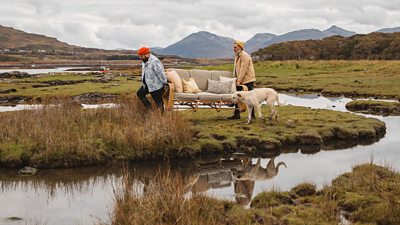
Backing Homegrown Storytelling through creative investment and commissioning
The BBC has maintained its support for regional commissioning across the UK and remained focused on achieving its targets to deliver at least 60% of Network TV production spend and 50% of Network Radio and Music spend across the UK.
This investment is a critical support for the UK creative and production industries during a challenging period for the sector. This year we have achieved Network Radio and Music spend of 49.8%, working towards our target of 50%, and Network TV production spend of 59%, exceeding the Ofcom requirement and building towards meeting our target of 60% consistently by the end of the current Charter period. This figure can fluctuate year on year and has been influenced by a rephasing of some major commissions which will now be reported in 2026/27.
The past year has seen the BBC achieve significant production milestones with major programme relocations now on air – this includes Silent Witness and MasterChef produced from Digbeth in the West Midlands, both prominently reflecting their new locations on air. These two relocations have created over 300 crew roles in Digbeth, as part of BBC efforts to grow a key regional creative cluster. The BBC estimates that it will create an additional economic value of more than £280 million by 2031 as a result of its recent investments in Digbeth.
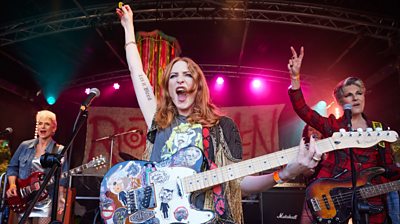
It has been another strong year creatively with further high-performing commissions that represent audiences and showcase communities and place across the UK. Standout Drama programming has included Riot Women, filmed in Calderdale, West Yorkshire, and This City is Ours, filmed in Liverpool. Other highlights have included the return of Blue Lights from Northern Ireland, Death Valley from South Wales and Dinosaur from Glasgow. For Comedy, the past year has seen the return of Outlaws for a third series, filmed in Bristol, and the return of Alma’s Not Normal, filmed in Bolton. The BBC has also covered Bradford City of Culture programming across its services, including standout commission Virdee, set and filmed in the city.
The BBC also continues to deliver major events across the UK, with Radio 1 Big Weekend in Sefton Park, Liverpool in May 2025, Radio 2 in the Park in Preston in September 2025, and another significant across the UK season for BBC Proms between July and September 2025 with concerts in Belfast, Bristol, Bradford, Gateshead and Sunderland, including weekend-long festivals in Bristol and Gateshead.
Building regional creative clusters
The ATUK programme has continued to support the growth of UK creative clusters, with particular focus on the BBC’s partnerships in the West Midlands and North East of England. The BBC has now delivered all of its commitments as part of its original partnership agreements in the West Midlands and North East.
In September 2025, the BBC announced a new creative partnership with the West Midlands, increasing annual network TV commissioning spend from £24 million to £40 million per annum by the end of the current Charter, including the recommission of Peaky Blinders, and two further drama commissions. In March 2026, the BBC announced the extension of its creative partnership with the North East of England, including the announcement of two drama commissions which will be made in the region.
Our work continues to support the growth of skills and opportunities across the UK. As part of its apprentice plans, the BBC has more than doubled the number of apprentices it employs since 2020. In the past financial year, the BBC achieved its target to support 1,000 apprentices as part of the ATUK programme ahead of target.
The BBC has continued to support the development of small independent suppliers and digital-first content, including investment to support a range of TV and audio suppliers across the UK, funding to support Audiotrain, addressing skills gaps in the sector across the UK, and investment in a new digital accelerator scheme in the North East of England – a nine-month programme designed to support TV production companies and digital production studios, strengthen their digital capability, test new formats and build commercially sustainable content brands.
Embedding long-term change across the UK
As the ATUK programme continues to deliver in its final phase of current scope, the BBC continues to consider how it can embed changes and maximise the long-term impact of the Programme.
In December 2025 the BBC announced significant changes to funding and commissioning content that supports portrayal of the UK’s Nations and Regions, doubling spend on high-impact content in the nations, as well as accelerating plans to grow the number of commissioners and decision-makers out of London.
Data on the delivery and evaluation of the programme, including audience performance and perceptions of the BBC can be found in Progress towards Across the UK ambitions.
The recommendations of the Thematic Review of portrayal and representation of the UK in BBC content, as discussed in both the Chair's Statement and Editorial Standards Review, will continue to strengthen our portrayal of communities across the UK.
The BBC would like to continue to grow its investment and support UK creative industries and regional creative clusters.
Over the next Charter we would like to see the majority of our senior leaders and commissioning roles in nations and regional bases, and two thirds of our network content spend to be outside of London. There is some risk to delivering this – these commitments will be subject to further negotiation and the funding outcomes of the Charter process.
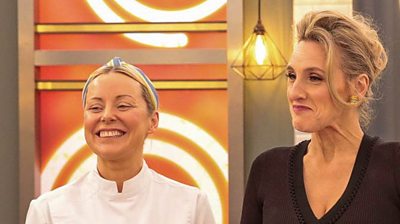
The Across the UK Programme has continued to support the growth of UK creative clusters, with particular focus on the BBC’s partnerships in the West Midlands and North East of England.
- £280 million - Additional economic value created by 2031 thanks to the BBC’s investments in Digbeth (Source: BOP Consulting)
- 26.1 million - People across the UK who watched BBC content celebrating Bradford 2025 in their City of Culture year
UK PSB staff by nation (equivalent full time) % (excl. BBC Commercial)*
| Nation | 31 March 2026 | 31 March 2025 |
|---|---|---|
England (excl. London) | 36% | 34% |
London | 45% | 47% |
Scotland | 8% | 8% |
Wales | 7% | 7% |
Northern Ireland | 4% | 4% |
*Due to rounding, some totals may not correspond with the sum of the separate figures
Network television programming spend by region as a percentage of eligible spend
| 2025 | 2024 | |
|---|---|---|
Non-regional | 41% | 38.9% |
Scotland | 10.4% | 9.7% |
Wales | 9.1% | 8.8% |
Northern Ireland | 3.2% | 4.0% |
Total nations | 22.7% | 22.6% |
Midlands | 2.3% | 3.4% |
North of England | 19.5% | 21.1% |
South of England | 9.5% | 10.2% |
Multi-English region* | 1.8% | 1.2% |
Total English regions | 33.1% | 35.9% |
Other multi-region* | 3.2% | 2.5% |
Total regions excl. London | 36.3% | 38.4% |
Total nations and regions | 59.0% | 61.1% |
Grand total | 100% | 100% |
Network television spend based on Ofcom definitions by calendar year.
* Multi-region covers programmes made outside London which cannot be attributed to any one region or nation
BBC Local Radio* and nations radio hours of output
| 2026 | 2025 | |
|---|---|---|
England (excl. London | 179,966 | 172,169 |
London | 6,121 | 5,932 |
Scotland | 11,894 | 11,444 |
Wales | 17,959 | 18,280 |
Northern Ireland | 7,720 | 7,662 |
* The BBC Local Radio and nations radio hours of output only includes BBC original programmes and excludes any repeat programmes
The BBC in Wales
In 2025/26, BBC Cymru Wales strengthened its mission to inform, educate and entertain audiences across the nation. Against a backdrop of political change and rapid shifts in digital behaviour, the service reached more people than ever, delivering trusted journalism, distinctive storytelling and culturally resonant content across all platforms.
The year saw a strong performance in public interest reporting. Longform investigations including Sins of the Church,The Great Ticket Rip Off and coverage relating to the imprisonment of former Reform UK in Wales leader Nathan Gill reached large audiences and reinforced the value of original journalism.
Digital storytelling continued to cut through at scale, with a Christmas Day feature attracting 6.6 million views and a widely shared story about a “fake Rear Admiral” exceeding 2 million. Political coverage ahead of the May 2026 Senedd Election was a major focus, while the Caerphilly by-election drew significant engagement, including substantial reach among under-35s.
Scripted content helped deliver record audiences on iPlayer for BBC Wales and Nations content. The Guest became the most watched BBC Cymru Wales drama on record, while comedy drama Death Valley achieved the biggest UK comedy launch in five years.
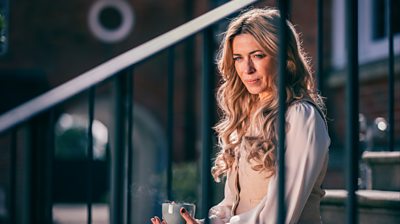
Feature film Mr Burton recorded the second-highest BBC film audience of the year. Returning titles such as The Crash Detectives, SOS Extreme Rescues and Mammoth continued to secure loyal audiences between major releases and contributed to a strong year for Welsh made television.
Welsh language audio saw its largest weekly average accounts and our English language offer hit a record 444,000 requests in March 2026, driven by Crime Next Door and the Secrets of the Salt Path. BBC Radio Cymru 2 continued to appeal to younger and more working-class audiences, strengthening its role as an accessible route into Welsh language content.
Sport delivered sustained impact, with BBC Wales Sport Online reaching an average weekly traffic of 2.5 million and coverage of Wales Men’s and Women’s football extended our reach among younger and previously underserved audiences, while our reporting of the Welsh women’s appearance at the 2025 Football Euros significantly strengthened the team’s national profile and contributed to growing participation in the women’s game across Wales.
Community engagement remained central. The Make a Difference Awards achieved the highest number of entries across the BBC, with more than 700 nominations from across Wales. Educational output supported the needs of learners in Wales in both Welsh and English and aligned with the new Curriculum for Wales.
The BBC National Orchestra and Chorus of Wales also played a central role in delivering cultural impact. Live performances, community projects, and orchestral recordings – from BBC Hoddinott Hall to sold-out BBC Proms concerts - demonstrated the enduring strength of Wales’ creative contribution to the BBC.
Pan-BBC reach
- 88% of adults in Wales who use BBC TV/ iPlayer, Radio or Online on average per week (24/25: 90%, Source: Compass by Ipsos UK 16+)
- 49% of adults in Wales consuming BBC Wales content on average per week (24/25: 51%, Source: BARB, RAJAR, Piano Analytics, Compass by Ipsos UK)
The BBC in Scotland
BBC Scotland strengthened its cross‑platform news and current affairs offer through the launch of Radio Scotland Breakfast and extended editions of Reporting Scotland. The Disclosure series remained central to our investigative journalism receiving national broadcast and podcast recognition.
Digital news provision expanded with increased online content on and off platform, alongside an additional weekly edition of Scotcast. Our strategy to pursue truth with no agenda was also supported through collaboration with BBC Verify.
BBC Radio Scotland introduced the first phase of schedule changes across Breakfast,The Saturday Show and Up Late, with the station achieving its highest audience figures since 2023. Podcasts produced in Scotland performed strongly on BBC Sounds, generating more than 20 million requests. Crime Next Door received over 1.7 million requests, whilst Inside Murder Trial and the Scottish Football Podcast delivered more than 900,000 each.
Content across English and Gaelic brought people together around major sporting and cultural moments. Our coverage of Scotland men’s international football European Qualifiers for the FIFA World Cup saw the Scotland vs Denmark match reach 1.4 million viewers in Scotland and 6.5 million across the UK.
BBC Scotland, BBC ALBA and BBC iPlayer also delivered coverage of Scotland women’s internationals and domestic competitions including the SWPL, Scottish League One, shinty and men’s and women’s premiership rugby. BBC ALBA expanded its sports portfolio with Italian Serie A coverage for 2026.
High‑impact content was supported through partnerships and co‑commissions, delivering a distinctive slate of Scottish storytelling. International drama The Ridge was produced in partnership with Sky New Zealand; BAFTA‑winning comedy Dinosaur returned for a second series and Two Doors Down delivered a Christmas special.
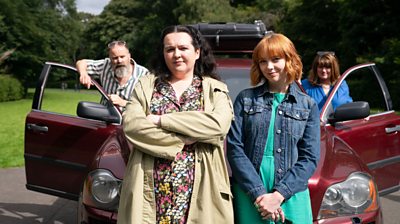
Factual series including Highland Cops, This Farming Life, Banjo and Ro’s Grand Island Hotel and Cùram/Care reflected life across Scotland, whilst programmes such as The Rise and Fall of Michelle Mone, Beauty Queen and the Catfish and Lover Liar Predator examined complex public‑interest stories. We brought audiences together at key moments with Burns Night, TRNSMT, Belladrum,Edinburgh Unlocked, The Mòd, A Christmas Choir with Michelle McManus and Hogmanay.
Celebrating Scotland’s voices and creative talent remained central to engaging audiences. BBC Radio nan Gàidheal marked its 40th anniversary, posted record BBC Sounds listening figures in January and won Radio Station of the Year at the Celtic Media Festival. The BBC Scottish Symphony Orchestra celebrated its 90th anniversary with performances including The Traitors at the Proms.
Diversity, culture and education remained integral to serving our audiences with: The Secret Letters of Mary Queen of Scots; Prayer and Reflection visiting faith settings across Scotland; Authors Live connecting schools with leading writers and Bitesize expanding English-language interactive formats and delivering additional Gaelic multimedia content.
Pan-BBC reach
- 80% of adults in Scotland who use BBC TV/iPlayer, Radio or Online on average per week (24/25: 83%, Source: Compass by Ipsos UK 16+)
- 54% of adults in Scotland consuming BBC Scotland content on average per week (24/25: 56%, Source: BARB, RAJAR, Piano Analytics, Compass by Ipsos UK)
The BBC in Northern Ireland
We enhanced the digital presence of BBC news output through the BBC News website and app and the launch of The State Of Us podcast on BBC Sounds and YouTube. We continued with our established portfolio of news and current affairs content of BBC Newsline, Spotlight,The View and Sunday Politics. Events at the Northern Ireland Assembly and Executive were reported on and explained and we reflected sectoral and everyday stories impacting local audiences region-wide through the journalism of our district reporters and the Foyle bureau.
We consolidated our schedule changes on BBC Radio Ulster, building on the station’s strengths and distinctiveness and providing opportunities for talent development and audience engagement. Vinny & Cate brought some fun to the daytime schedule, joining long-running programmes Good Morning Ulster, The Stephen Nolan Show, Talkback and Hugo Duncan and a shorter Evening Extra allowed for an extended afternoon entertainment programme in the refreshed daytime schedule. The introduction of a ‘news hour’ and new speech programming on Sunday mornings helped diversify BBC Radio Ulster/Foyle’s weekend offering.
The station’s linear service was complemented by a strong offering on BBC Sounds with podcasts Assume Nothing and Mystery Of providing a range of investigative storytelling.
We brought viewers distinctive content with factual programming Confessions of a Killer and House of the Year, network co-commissions Titanic Sinks Tonight, Ronan Keating’s Wild Atlantic and Farm 999 and scripted content such as the Julia Roberts-narrated Leonard and Hungry Paul and the fifth series of Hope Street. Belfast played host to the BBC Comedy Festival, where a further series of Funboys was announced. The third series of Blue Lights proved popular with local audiences and filming of a fourth series got underway.
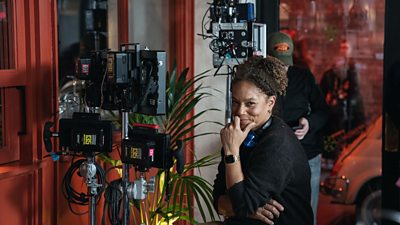
The new Vernon Kay-fronted Do You Know Your Place? became the latest network entertainment programme to come from the region, joining Mastermind and The Finish Line. And the ambitious new children’s drama, Crookhaven, was filmed at locations in County Down. Much of this was made possible through our partnership with Northern Ireland Screen.
Having welcomed Iolo Williams to Northern Ireland for Springwatch, Mount Stewart became the main location for the excitements of Winterwatch.
BBC Sport NI brought audiences cross-platform coverage of men’s and women’s soccer, rugby and GAA and captured all the action from the NW200 and Belfast Marathon.
We marked the 10th anniversary of Book Week in partnership with Libraries NI and we continued our joint work with the Ulster Orchestra. The efforts of local people and communities were also celebrated in our first Make A Difference Awards.
BBC programming in Irish and Ulster-Scots remained an important part of our service portfolio, much of it made possible through the support of Northern Ireland Screen’s Broadcast Funds.
Pan-BBC reach
- 84% of adults in Northern Ireland who use BBC TV/iPlayer, Radio or Online on average per week (24/25: 86%, Source: Compass by Ipsos UK 16+)
- 58% of adults in Northern Ireland consuming BBC Northern Ireland content on average per week (24/25: 64%, Source: BARB, RAJAR, Piano Analytics, Compass by Ipsos UK)
The BBC in England
The BBC’s local services in England
BBC Local has continued to play a vital role in connecting and serving all communities across England over the last 12 months. Our 39 local radio stations, 13 regional TV programmes and 43 online news services have delivered high quality, distinctive journalism rooted in the places they serve. Together, BBC Local platforms reach more than 20 million people every week.
Alongside daily dedication to local news and issues, our teams have worked collectively to drive impact on shared editorial themes. Our Farmwatch coverage delivered original data journalism on rural crime with our innovative “Combine Cam.” In January, our services focused on health and in February, “Bin Day” combined new data around waste collection targets and creative digital storytelling with a live stream from a recycling centre.
During civic emergencies like Storm Goretti, our teams played a critical role. There was a dedicated live page on the BBC News website for the South West and a special evening broadcast for Cornwall and Devon. When a sinkhole caused a major incident on a Shropshire canal in December, our first day coverage reached almost 6 million page views.
We delivered clear, calm, trusted coverage of the Huntingdon rail incident and the Manchester synagogue attack, led by journalists known and relied upon in the communities they serve.
Homegrown storytelling on BBC Sounds continued to resonate. Local-made content attracted almost 400,000 weekly active accounts. The Strange But True Crime series hosted by Rima Ahmed has had over 4 million plays over the last year, while DNA Trail: The Promise won gold at The British Podcast Awards. Crime Next Door and Assume Nothing strands returned as did Love Bombed: Wife Hunter hosted by Vicky Pattison.
We have continued to invest in innovation with our upgraded TV studios enabling clearer storytelling through data and graphics. In Local Radio, we enhanced visualisation for stations based in London, Birmingham, Manchester, Tees, Stoke, Bristol, Solent, Newcastle, Lancashire, Leeds and Sheffield, allowing us to extend reach on social media. A video of BBC Radio WM’s Ed James describing Ozzy Osbourne’s funeral cortege attracted over 4 million views.
BBC Make a Difference highlighted more than 300 local community heroes from over 12,000 nominations. In Bradford, BBC Radio Leeds’ Bantam of the Opera choir celebrating UK City of Culture, rounded off an incredible year with BBC One documentary, Sing When You’re Winning.
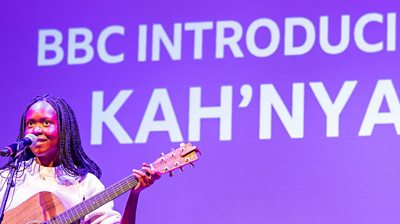
Live sport remained a cornerstone and audiences are increasingly following their favourite clubs through our dedicated podcasts, local feeds and daily audio updates on BBC Sounds.
We also piloted generative AI bulletins through My Club Daily, offering bespoke daily updates for fans of Liverpool, Aston Villa, Newcastle United, Southampton and Plymouth Argyle.
It was a milestone year for the Local Democracy Reporting Service too, surpassing 500,000 stories published, supporting over 1,100 commercial news titles – demonstrating our continued commitment to partnership across the local media sector.
Pan-BBC reach
- 81% of adults in England who use BBC TV/iPlayer, Radio or Online on average per week (24/25: 83%, Source: Compass by Ipsos UK 16+)
- 43% of adults in England consuming BBC Local content on average per week (24/25 45%, Source: BARB, RAJAR, Piano Analytics, Compass by Ipsos UK)