
Five Tips to Get You Into Writing for TV
A summary of some great advice shared by Jess Loveland in this recent online session for Writers & Artists, part of their masterclass series.

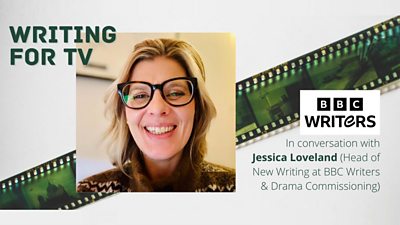
Back in June, Jess Loveland (Head of New Writing for BBC Writers and BBC Drama Commissioning) hosted an online 'Writing for TV' masterclass as part of a series of masterclasses run by Writers & Artists (known for their annual Yearbook). The audience was drawn from writers from all disciplines, with a focus on writers who are interested in making their first foray into the medium of TV.
Jess shared some great advice and top tips which Writers & Artists later adapted into a post on their substack. With their permission we're re-posting it below.
Here are the five things she thinks new TV writers should know to set them up for success:
1. Know what a 'spec' script is, and write a killer one
A spec script, (speculative or specimen script), is vital to the early career TV writer. It’s a script you write as a showcase of your skills, not necessarily to be produced. This is what agents, producers and other organisations want to see when they first hear from you; it’ll be your calling card and, hopefully, the key that unlocks your first opportunity.
Given how important your spec script is, you should spend time making it the best it can be. Tips 2 and 3 offer practical advice on writing for TV, but here’s another point to consider: your spec script should be in the medium you want to write for. Jess says playwrights looking to change mediums often send in spec scripts for the theatre, but all TV agents and producers prefer spec scripts for TV.
2. Have something to say
Jess says the best scripts are those that are driven by an idea, not just ticking the boxes for their genre. For example, a police procedural that uses the genre to explore the cost-of-living crisis is more engaging than one that hits all the police procedural beats but has nothing to say.
Whatever you’re angry about, upset about, or simply paying attention to in the zeitgeist can become the core idea of your story, but all scripts need a heart, not just a story engine.
3. Set the pace
A truism in the TV industry is that you only have 7 minutes to make an impression on the viewer before they start looking for something else. This equates to just 5–10 pages of writing. It’s crucial to hook your audience from the beginning, and keep their attention by continuing to push the pace.
Jess notes that long-form fiction authors in particular are used to a slower pace. In TV, the story needs to move forward fast enough to keep the viewer engaged, and fill the space of the episode – remember that, for BBC-length dramas, you have 60 pages of story to get across per episode.
Jess’s biggest tip for pacing is to watch a lot of other shows. Take notes on shows you like – what do they do well? – but, perhaps more importantly, take notes on shows you dislike, and see if you can identify what went wrong.
4. Don’t be afraid to be pushy (but be polite, too)
It’s always, and increasingly, challenging to get that first break. Jess encourages writers to follow up on every opportunity they can, and not to be afraid of cold-emailing. Check the credits of TV shows you love, read the trade press, and reach out to writers or producers who inspire you. Never be afraid to ask for a chat or an online call, but remember that good manners and a sunny disposition go a long way – as Jess said, be pushy, but charming!
Alternative opportunities include vertical dramas, the ever-growing number of audio dramas/fiction podcasts, and script reading. New writing theatres may be looking for volunteer script readers, which is a good way to begin to gain the experience needed to apply for paid positions at places like the BBC.
5. Use the resources at your disposal
Getting into the industry may not be a piece of cake, but Jess emphasises that there are many people within it who are passionate about new writing and do all they can to help you get discovered.
This BBC Writers website contains many industry articles, as well as a library of over 1,000 BBC-produced scripts, so you can learn more about the craft. We also run an annual Open Call, from early November to early December, for any form of scripted work. At least the first 10 pages of everything submitted will be read, and around 100 writers will be taken forward to our new writer development programmes.
The Writers & Artists website is also packed with advice articles, including how to write compelling characters for TV and how to write dialogue for the screen. They also run many more masterclasses like Jess’s, as well as other events.
Related Links
- BBC WritersFind out more about what we do
- Explore the BBC Writers Script LibraryWith over 1000 scripts from TV, Radio and Film
- BBC Writers Open CallFind out full details of what we do (and do not accept) and the next submission window
