Active play isn’t just burning off energy. It can be running, climbing, jumping, dancing around, splashing in the pool, playing chase or having fun in a ball pit.
Every time your child dances, jumps, balances or stretches, they're developing coordination, confidence and movement skills. They’re also learning about rule-following and social skills.
Child development expert Dr Amanda Gummer tells us more, with some help from the cast of CBeebies' Playtime Towers.
Dr Amanda Gummer talks about the benefits of active play
Dr Amanda: Active play is one of the 'super foods' of the play diet and it's so much more than just organised sport or structured activity.
Dr Amanda: Active play is running, it's climbing, it's ball pits, it's kitchen dancing and all of that active play does so much more for a child, than just burning off energy.
Queenie: Ariel, are you ready to see if you can find the royal paintbrush?
Ariel: Yeah!
Queenie: Ok, 3, 2, 1, in you go! Yes!
(Ariel jumps into ball pool)
Dr Amanda: When your child is jumping or balancing, they're building their coordination and body confidence. And active play helps children learn about things like turn-taking or rule-following and importantly, how to keep going when things get tough.
Dr Amanda: Those social and thinking skills are stacked on top of the physical skills that they're developing through active play. And it's so much fun…
Hettie with children: Here we go! Me - big wheel!
Dr Amanda: Watching and copying is how young children learn and dancing gives children a safe way to try new movements.
Hettie with children: You big wheel…We big wheel!
Dr Amanda:Once they've mastered the copying they can move on to freestyling which really boosts their confidence and gives them a great way to express themselves freely.
Hettie: Letti Spaghetti… Spaghetti! Dance wild!
Dr Amanda: So put some music on, copy each other's moves and let them freestyle. Enjoy watching your child express themselves through dance.
Dr Amanda: CBeebies' programmes like Playtime Towers are a great opportunity to spend time together, chat about the show and spark new ideas for playtime at home. Head to BBC iPlayer to check out all the episodes now.
How can children get active through play?

Active play can take many forms.
It might include activities such as copycat ball games, passing a ball or rolled-up socks, jumping, or tackling an obstacle course.
Or it might be an everyday activity, such as playing in the park or helping around the house.
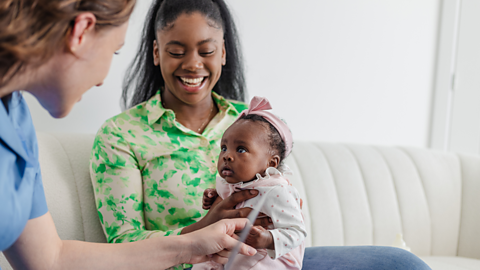
Babies can enjoy active play too, through kicking, rolling, using toy balls and moving to music.
In the Playtime Towers video above, the children dance with Hettie - so dancing is a fun way to have active play!
Dancing is great for developing babies and toddlers' sense of rhythm, which can help with learning language. It improves their gross motor skills too.
Enjoy watching your child express themselves through dance."
Structured and unstructured play
Activities can involve structured or unstructured movement; both are types of active play and valuable for children's development.
Structured activities have a clear purpose, with rules or guidance. These activities might include games with a football, dancing or a scavenger hunt, for example. Activities like these can help children learn social skills such as taking turns, sharing and learning to listen and following instructions.
Unstructured movement is more open-ended and led by the child. It could be playing in the garden, building an obstacle course or playing chase. This type of play gives children the freedom to explore, be creative and move in ways that feel natural to them.
Both structured and unstructured movement have their benefits. The important thing is that children have opportunities to move, play and learn. In the video, Ariel jumps into the ball pool to grab a special brush, while later they all dance - both great examples of active play.
What are the benefits of active play?

Active play helps children develop gross motor skills such as running and jumping. It also strengthens fine motor skills, which help with things like writing, using cutlery or buttoning up clothes.
Active play can help children learn about social cues such as taking turns and it can help with their emotional development.
It builds confidence as children learn new skills and discover what they're capable of.
Active play helps children build resilience too, because it gives them opportunities to face small challenges, experience setbacks and keep trying in a safe way.
As the video shows, it's also great fun!
Active play is one of the 'super-foods' of the play diet…"
How can active play become a part of everyday life?
Active play can be part of everyday life in so many ways, from walking to school and playing at the park to sharing and having fun with friends, dancing, riding a bike, or simply helping out with active jobs around the house.
Every jump and wobble can help children learn that it's okay not to get things right first time, building the resilience and confidence they can use throughout life.
Why not try out some active play with your child using the ideas in this article?
CBeebies programmes like Playtime Towers are a great opportunity to spend time together and spark new ideas for playtime at home.