| You are in: Stoke & Staffordshire Polish Community » |
2004
Biddulph Polish community | |
| 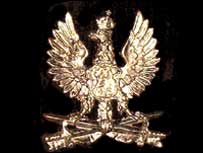 | | Polish eagle |
| | Sharon Nowakowski from
Congleton tells her story of the Polish community which grew up around Biddulph in North Staffordshire... |
|
Weblinks | The Polish community in the Staffordshire Moorlands - a history
Dr Pauline Elkes, senior lecturer in history at Staffordshire University, researched how Poles came to be established in the Staffordshire Moorlands.
Borderland Voices
Staffordshire Moorlands arts group Borderland Voices, working with the local Polish community, has helped create an exhibition about local Polish culture and history.... and produced a book outlining local experiences.
BBC Staffs Polish Pages
Click here to return to our Staffordshire & South Cheshire's Polish Community index page. |
:: Lost? | Can't find something on this website? Find it ... Click here |
| |  I have been reading your pages of the Polish community in Staffs Moorlands with great enthusiasm! However, there was (and is) another Polish community that that thrived (along with other similar ones in Stoke on Trent) - the one I came from was the Biddulph one. I have been reading your pages of the Polish community in Staffs Moorlands with great enthusiasm! However, there was (and is) another Polish community that that thrived (along with other similar ones in Stoke on Trent) - the one I came from was the Biddulph one.
My father was Polish and my mother Welsh. They moved to Biddulph in 1955 along with many other Poles who had been resettled in either South Wales or Scotland after the war.
Local girls
Whilst in Scotland & Wales many of the men married local girls. They got employment in the coal mines there and through this came the offer of work in the North Staffs area, a house was part of the deal as well. This was too good an opportunity to miss, as many young couples were living with parents in small mining communities.
I am assuming that the offers of work in the North Staffs came via the NCB as there wasn't a big enough work force in the North Staffs area to take on the jobs in the mines.
Migration
So, in the mid 1950's there was a large migration to Biddulph (what became known as the miner's estate or even the foreign legion!). There were many eastern Europeans that moved there at the time (Poles, Lithuanian, Yugoslavian, Italian, Russian, and German) but the majority were Polish.
The Polish men tended to stick together, particularly when they were in the local pub (and in those days there was a bar that was for 'men only'). They liked to play cards together.
Vodka
I remember when one of the first 'elder' Poles died, the landlord of the local pub allowed the men to have their own bottle of vodka on the table (which didn't used to be allowed at the time).
This was part of the tradition that when a Polish man died, his wife would donate what money was in his pockets to his friends so that they could 'drink' to celebrate his life. This could last a whole day and many of the men would then be in trouble with their wives due to the amount of vodka consumed!
Hostilities
I have heard that there were hostilities in the early days between the local people and the Polish families who'd arrived in Biddulph. I personally never came across this myself when I was growing up.
There were too many other 2nd generation Poles like myself and we tended to socialise and play together. Indeed, I still have lifelong friendships with other women from Polish backgrounds.
It was strange not being able to spell your surname when you started infant school as it seemed so complicated.
Great cooks
One very strong image I have when I was growing up was that the Polish men (including my father) were great cooks. They would always have a pan of something on the go 'bigos'.
The men would often be seen in the local shops shopping for food (again an unusual site in those days, but I think they liked the social aspect of it). They shopped well and wasted nothing and produced the most amazing tasty food.
I have often wondered where they learnt their culinary skills, because my own father was taken to a POW camp at 14 and never saw his parents again. Who did teach him those finer points of good home cooking? Was it the other Polish men when they were in camps together?
Hardworking
They worked hard all day - indeed they were known as some of the most hardworking, reliable men in the pits. Other Polish men brought other skills to the community. One man could make anything out of leather and would make leather bags and coats to order. Again often recycling old bits of leather.
My own father would often get out the sewing machine and mend clothes including replacing zips etc. At a time when feminism was unheard of and women were very much ensconced in the traditional female role, it was quite unusual to see this group of men taking on tradition female roles and having no compunction about doing so.
If your dad was Polish you just knew they could turn their hand to anything and wouldn't mind doing so either! - They were survivors.
Reunion
My father did manage to return to Poland a few times before he died, he still had a sister and brother who were alive and the first emotional reunion with them was in 1973.
Although many of the Poles had experienced extremely traumatic experiences during the war they were never maudlin about it. In fact my father and his friends were jolly, kind, gentle natured people with strong family values. My father was always calm and patient and rarely lost his temper.
The 'old community' of Poles has now dwindled as many of the first generation have passed away. However there are many 2nd, 3rd and 4th generation poles still living in Biddulph who are descended from the first settlers in Biddulph. 
If you too have memories of the Polish experience, we'd love to hear from you and record your thoughts on our talk-board.
See Polish Experience Talk |
| | | |
|
| |
|