An uprising in South Africa and an exodus in the Caucasus
The Soweto Uprising, the Georgian exodus from Abkhazia, a women's peace march in Cyprus, and the discovery of human remains that reshaped understanding of Australia's past.
Max Pearson presents a collection of the week’s Witness History interviews from the BBC World Service. Our guest is Professor Rachel E. Johnson, Professor of Modern African History at Durham University in the UK.
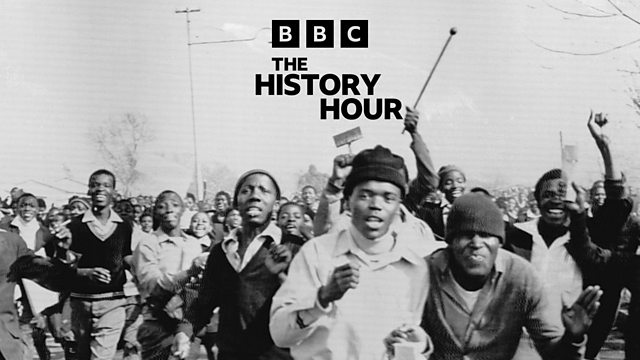
We begin with the 50th anniversary of the Soweto Uprising, which became a defining symbol of youth resistance to apartheid. We hear from one of the students who took part in the protest, which was violently suppressed by South African security forces in June 1976.
Then we have the harrowing account of an ethnic Georgian poet who fled his home in Abkhazia when the breakaway region was engulfed in war in 1993.
We also hear from one of the Greek Cypriot women who, in 1987, marched towards the ceasefire line dividing Cyprus to protest against the island’s partition.
Next, the scientist who identified Lyme disease in 1976.
Plus, the discovery of the remains known as “Mungo Man”, a 42,000‑year‑old skeleton that transformed understanding of Australia’s ancient past.
And Brazil’s heaviest defeat in a World Cup, which happened on home soil in 2014.
Contributors:
Professor Rachel E. Johnson – Professor of Modern African History, Durham University
Bongi Mkhabela – Soweto Uprising participant
Guram Odisharia – Georgian poet from Abkhazia
Niki Katsaouni – Greek Cypriot peace activist
Dr Jim Bowler – geologist
Prof Allen Steere – rheumatologist
Thomas Müller – German footballer
(Photo: Black students protesting against the compulsory teaching of Dutch-based Afrikaans in schools. Credit: Getty Images)
Last on

Featured
.
Broadcasts
- Sat 20 Jun 202613:06GMTBBC World Service News Internet
- Mon 22 Jun 202609:06GMTBBC World Service
- Mon 22 Jun 202623:06GMTBBC World Service
Podcast
![]()
The History Hour
A compilation of the latest Witness History programmes

Related Content
