'Pay ransom or lose a kidney' - Illegal migrants wey travel go UK kidnapped in Libya
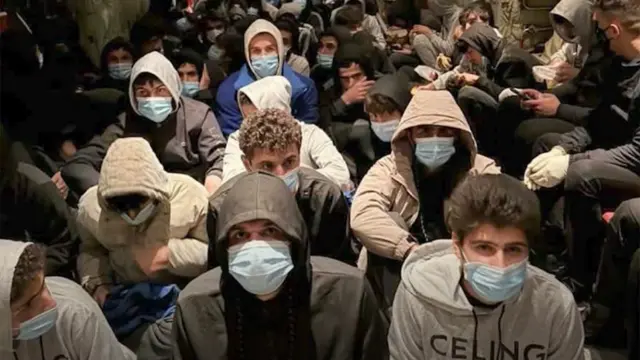
Wia dis foto come from, Kurdish Regional Government
- Author, Ben Milne
- Role, BBC News
- Author, Sue Mitchell
- Published
- Read am in 5 mins
More dan 300 migrants wey bin dey head to di UK last summer bin dey kidnapped, tortured and threatened wit forced organ removal, di BBC learn.
Di young men, all from Iraqi Kurdistan, bin dey captured in Libya by a militia wey demand a ransom of $5,000 (£3,700) from each of dia families, and threaten to harvest di captives kidneys if dem no make payment sharp-sharp.
We don tok to some hostages wey don dey released, and see photo evidence wey suggest say forced operations bin take place.
Di former captives show us evidence of torture, and say dem bin put dem in cramped conditions, wit nearly 180 pipo sharing a cell.
At least one hostage dey known say e die, and e dey unclear how many still dey captive.
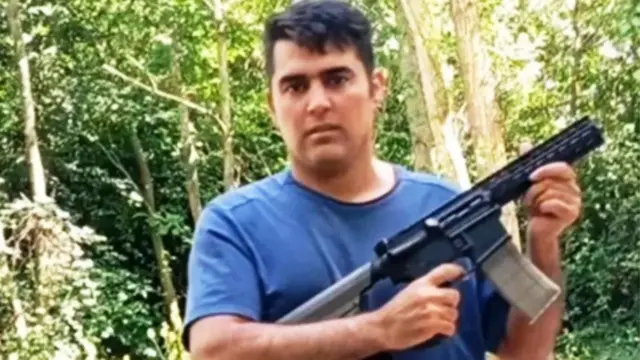
Di militia supposed to guide di migrants through Libya to di Mediterranean coast. However, a dispute over payment bin break out wit di Iraqi Kurd pipo-smuggler, Noah Aaron, wey organise di migrants journey.
Aaron now dey serve a 10-year prison sentence for France for separate money laundering and smuggling offences.
Details of di kidnappings come out during a recent BBC investigation into anoda smuggler, Kardo Jaf, wey lead to im arrest last month.
Di two smugglers dey believed to work togeda in di past. Both come from di town of Ranya for Iraqi Kurdistan - a region "wey get plenti active smuggling networks", according to a report by di UK think tank, Chatham House.
In February, a BBC investigative team bin make inquiries about Jaf for Ranya, wen one local man approach dem say im son bin be one of di men dem hold.
Di man tell di BBC say Aaron smuggling gang bin charge im family thousands of dollars for organising di journey to di UK, wey for involve travelling through northern Africa, den across di Mediterranean into Europe.
Di route pass through Libya, a kontri wey get a "huge vacuum of govment", according to Anthony Dunkerley, a UN adviser wey don investigate human trafficking dia.
Much of Libya dey controlled by rival militias, and smuggling networks rely on dia co-operation.
We learn say, during di summer of 2025, successive groups of migrants wey fly into Libya from Iraqi Kurdistan bin dey taken to a guarded compound and imprisoned.
Di militia den demand $5,000 for each hostage, wit claim Say Aaron fail to pay dem for a previous deal. If dem no deliver di money quickly, dem warn di families say dem go take payment "with a kidney".
Di Libyans also send photos and videos of di hostages, and many of dem bin dey distressing or violent. For one, dem film a young man wen dem dey tell am say dem go take am to a doctor wey go remove im kidney.
Di local man wey approach us for Ranya say e don pay di ransom. Im son bin dey among di 110 hostages dem fly back home in January, for one plane wey him dey organised by di Iraqi govment.
However, e show a photo e say im son bin send while in captivity, e show a raw scar dem fear say e come from a forced organ removal.
Within a short time of toking to dis man, dozens more pipo come forward, many showing similar phone pictures.
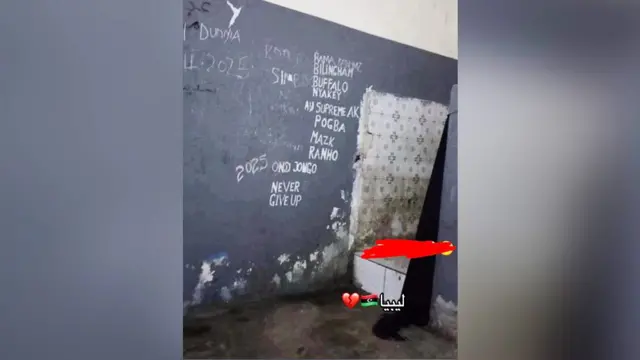
Wia dis foto come from, Instagram
We later show one of di photos to a consultant in di UK, wey say di scars dey consistent with di sort of incisions dem dey make during a kidney operation. However, we no fit verify say organ removal take place.
Kidnapping for ransom dey widely documented along migration routes through Libya. Criminal groups dey exploit di limited state control in some areas, as Dunkerley tok, and dis dey make investigations and prosecutions particularly challenging.
Many of di hostages now dey released. Some families pay di ransom promptly, but Kurdish authorities suspect say oda hostages fit don pay wit dia internal organs.
Di BBC tok to some of those wey don return to Ranya.
One young man say dem torture am by burning im leg. E roll up im trousers to show di scars.
A 16-year-old boy say e bin be one of 178 dem keep for one tiny cell: "We no see di sun for six months."
E bin dey so cramped, e tok, sotay evribodi get to sleep sitting up. All di prisoners share a single toilet, and those wey take too long go chop beating.
Food consist of one piece of bread per day, di hostages families tell di BBC - but only if dem pay di captors extra money.
Despite di risks, di flow of illegal migrants from Iraqi Kurdistan to Europe neva stop, according to Hemn Merany, one senior official for di Kurdistan Regional Govment Ministry of di Interior.
E urge di returned hostages to tell friends and family about dia horrific experiences so e go discourage odas from setting out on di same journey.
But e tell di story of a father wey im son die for Libya after a suspected forced organ removal.
For di funeral in Ranya, di man discover say two of im son cousins don recently travel to Europe.
"Di very sad part of dis business na say we no dey learn," Merany tok.