Summary

  • Andy Burnham says he will remove VAT from electricity bills in October, in his first major policy announcement as prime minister

  • The rate of VAT applied to household electricity will be cut from 5% to 0%, saving a typical home about £45 a year - the government says this will be funded by scrapping Keir Starmer's digital ID scheme

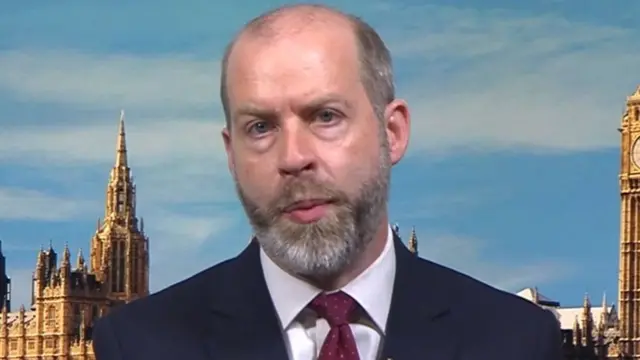
  • Darren Jones, formerly chief secretary to Starmer, says the ID scheme was "unfunded" and calls on the new government to "set out how it will pay for its new policies at the Budget" - here's what that means

  • Pushed on whether savings had been identified for the scheme, Business Secretary Jonathan Reynolds tells the BBC "they would have had to have been", calling it a "legitimate decision"

  • After becoming PM, Burnham named his top team, appointing John Healey as chancellor, Ed Miliband as foreign secretary and Wes Streeting as defence secretary

  • Meanwhile, Angela Rayner took back her old job as housing secretary and Shabana Mahmood stayed on as home secretary

  1. How to pay for it - something billpayers will recognisepublished at 09:01 BST

    Kevin Peachey
    Cost of living correspondent

    So, a row is already brewing about how the government will pay for its VAT cut on household electricity.

    Welcome to your new jobs prime minister and chancellor!

    Of course, finding the money to cover a bill is something many energy customers will recognise.

    Billpayers collectively owe nearly £5bn to energy suppliers in unpaid bills and charges.

    Many campaigners are saying that’s a far bigger issue to tackle, and potentially of more help to many on the cost of living, than a relatively small - already controversial - cut to bills in October.
  2. Waiting lists, social care, maternity - new health secretary faces big challengespublished at 08:51 BST

    Hugh Pym
    Health editor

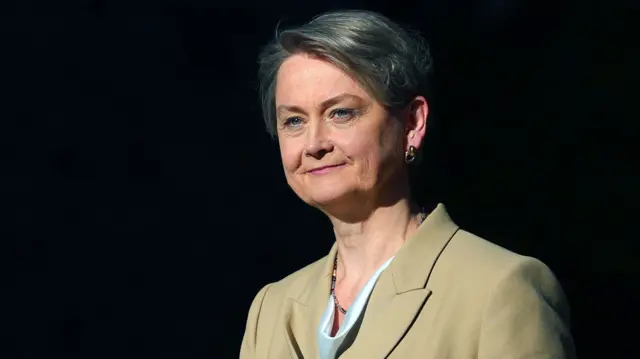
    Yvette Cooper, wearing a brown blazerImage source, EPA/Shutterstock

    I’ve heard one commentator suggest Yvette Cooper had been demoted from the Foreign Office to the Department of Health and Social Care.

    But in some ways, she will be running one of the most significant areas of policy in England for the Labour Government.

    Andy Burnham says reform of social care is a priority and Yvette Cooper will have to lead on that.

    She will need to use all her experience in Whitehall from her time as a Treasury minister and secretary of state for work and pensions under Tony Blair and Gordon Brown.

    Getting NHS waiting lists down will be another priority. The overall list, having fallen in the latter phase of Wes Streeting's tenure, has now gone up two months in a row.

    Progress or not on social care and improving NHS performance are likely to be key areas on which voters assess Labour at the time of the next election.

    Tackling major problems in some areas of maternity care and improving fractured relations with senior doctors will be just some of the other challenges facing the new secretary of state.

  3. OBR unclear on how digital ID would have been funded in last year’s outlookpublished at 08:37 BST

    Chris Mason
    Political editor

    There are four references in the Office for Budget Responsibility’s Economic and Fiscal Outlook from November last year that refer to the digital ID scheme and how where the money will come from to pay for it is not clear.

    • On Page 10, it says "the cost of digital ID cards, for which no specific funding has been identified."
    • On Page 17, it talks of "the unfunded cost of digital ID cards.”
    • On Page 122, it mentions a cost forecast of £1.8bn over the next three years, split across £0.5bn RDEL and £1.3bn CDEL, “however no specific savings have yet been identified."
    • And on Page 172 there is this: "the risks around the implementation of digital ID cards for which no explicit provision has been made for its £0.6 billion annual cost.”
  4. Digital ID savings 'would have had to have been found' - Reynoldspublished at 08:28 BST

    Business Secretary Jonathan Reynolds is also speaking to the Today programme on BBC Radio 4 this morning, and is asked more on how the newly announced energy bill policy will be funded.

    He says the allocation for digital ID was £1.8bn over three years which is "scored by the OBR".

    "It's a straightforward release of one pressure in order to have this decision made," he says.

    Pushed on the fact that savings had not yet been identified to pay for digital ID, Reynolds says "they would have had to have been found".

    "It is a legitimate decision to remove that pressure and instead use that allocation of resources [for this decision]".

    The policy will cost £850m for the rest of the financial year, Reynolds adds.

  5. An 'unfunded' scheme? Let's unpick what Darren Jones meanspublished at 08:20 BST

    Henry Zeffman
    Chief political correspondent

    At the last Budget in November, the independent Office for Budget Responsibility said this: "The implementation of digital ID cards is provisionally forecast to cost £1.8bn in total over the next three years... the government has announced its intention to meet the costs of this through existing [departmental expenditure limits] budgets, however no specific savings have yet been identified".

    In other words, the government hadn’t yet found the money for the programme.

    This morning the government was saying that since the Budget departments had been working on finding savings, and that it was those savings which would now be reallocated to fund the VAT cut announced by Burnham earlier.

    After Darren Jones’s intervention, let’s see how credible the markets find that to be.

  6. Tough criticism of Burnham's big announcement from Starmer's chief secretarypublished at 08:10 BST

    Henry Zeffman
    Chief political correspondent

    Just two hours after Andy Burnham’s big announcement comes some tough criticism from Darren Jones, sacked yesterday as chief secretary to the prime minister. He wrote this on X:

    “Good news that VAT will be cut on electricity bills. It’s a simple way for families to save a few quid, and to mechanically help to keep inflation that little bit lower.

    “But the Digital ID program was unfunded.

    “The government will have to set out how it will pay for its new policies at the budget.”

    This is especially tough for the prime minister because it is targeted at the question of how Burnham will pay for the measure.

    The announcement that it was funded by savings from digital ID was designed to reassure the markets.

    Let’s see how those markets respond now. They have just opened.

  7. Analysis

    Shock at the brutality of cabinet clearout, but top appointments seem to have gone down wellpublished at 07:57 BST

    Henry Zeffman
    Chief political correspondent

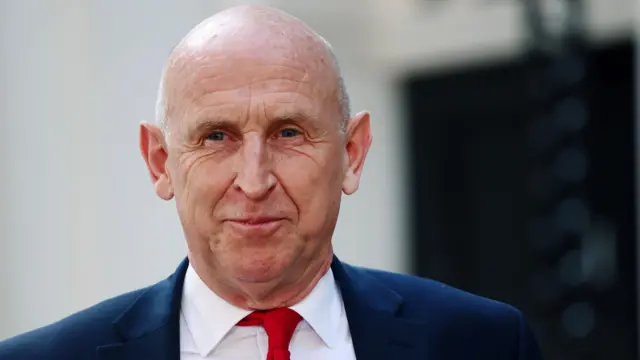
    John HealeyImage source, EPA

    Andy Burnham’s cabinet appointments took several hours and finished so late that many in the Labour Party are only digesting the full team this morning.

    But even before the new appointments had begun, many were struck by the brutality of the clearout of the old guard. Even those who believed it was inevitable that lots of Starmer loyalists would have to make way for newcomers admitted to feeling taken aback as the full list of departures came through.

    At first glance, those in the top three jobs are familiar faces from Starmer’s team.

    But there is more to it than that.

    The resignation of John Healey, the new chancellor, as defence secretary a few weeks ago was probably the final blow that made Starmer’s position irrecoverable.

    Ed Miliband, promoted from energy secretary to foreign secretary, was one of the first in cabinet to tell Starmer to go.

    Shabana Mahmood, who remains home secretary, also told Starmer he should go.

    It’s appointments like this which might explain the biting line from Steve Reed, the former housing secretary, in his letter to Burnham after being sacked yesterday: "I hope those who did not show loyalty to Keir will now show it to you."

    Yet aside from those who were Starmer loyalists to the end, these top appointments - especially Healey - seem to have mostly gone down well so far.

  8. Reynolds pushed on annual savings when policy only in place for six monthspublished at 07:51 BST

    Continuing to speak to BBC Breakfast, Reynolds underlines this is a benefit for "everyone" as he points to a desire to get back to "simple, straightforward, deliverable" policy that everyone understands.

    He adds that it has been funded through a change in priorities and does not require additional taxes or borrowing.

    Pushed on the cited £45 figure as an annual saving - when the policy will be in place for six months - Reynolds says people use more energy in winter and maintains people will on average feel that saving from their bills.

    Asked why they have gone with electricity and not gas, Reynolds says the decision will make a "substantial difference", adding it will make the "biggest difference to people that we can make".

    Asked finally on heating oil, he says the government will continue to look at things as we come into the winter.

  9. VAT cut is funded until 'the end of the financial year'published at 07:43 BST

    When asked how long the cut will last, Reynolds says it's funded until “the end of the financial year" and anything beyond that has to be part of the next Budget.

    He adds the funding of it this year is because digital IDs are being scrapped.

    The saving "on average" will be £45 which he says will be "additional" for households, on top of a £150 saving.

    Reynolds adds he expects providers to be "very responsive" to these changes.

    When asked if companies might face fines if they do not comply, he says "they will pass it on” and he does not "anticipate any problems" with the policy.

  10. This will give people some 'breathing space', says Reynoldspublished at 07:39 BST

    Business Secretary Jonathan Reynolds

    Business Secretary Jonathan Reynolds tells BBC Breakfast he is "delighted" to be back.

    Asked firstly about Ed Davey's reaction to the energy bill announcement - that it doesn't go far enough - Reynolds says it's a "significant" statement of priorities from the new administration and will result in an additional £45 saving off people's bills on top of savings made in the previous budget.

    He says they are "not saying it's everything", but it will give people some "breathing space".

  11. Business Secretary Jonathan Reynolds speaking to the BBC - watch livepublished at 07:34 BST

    The newly installed business secretary is talking to BBC Breakfast now.

    We'll bring you the key lines - you can also watch the interview live at the top of the page.

  12. Once and done cut to VAT on electricity billspublished at 07:29 BST

    Kevin Peachey
    Cost of living correspondent

    Cutting VAT on household electricity is estimated to cut the typical annual bill by £45.

    The saving is ongoing, but analysts have pointed out that it is a lever that can only be pulled once.

    Obviously, you can’t reduce VAT any further than 0%. In a similar way, levies that were cut from bills or shifted onto taxation in April can’t be moved again.

    The Conservatives and Reform have both previously suggested VAT should be cut from energy bills. Now a new Labour prime minister has gone some of the way to doing so.

    Debt charities and the regulator have called for more significant reform to bills. They want social tariffs which offer a discounted deal to the most vulnerable, paid for by higher bills for others or through taxation.

  13. Fuel poverty charity praises VAT cut on electricity billspublished at 07:25 BST

    The decision to cut VAT from domestic energy bills has been praised by Matt Copeland of fuel poverty charity National Energy Action.

    Speaking to BBC Radio 5 Live Breakfast, Copeland says he's "pleased" with the cut, adding it will "put money back in the pockets" of households and he hopes it is "a sign of things to come".

    Copeland thinks there are two reasons Burnham has made this decision.

    "Not everyone uses gas, but the vast majority of people use electricity, so it covers a greater proportion of people," he says.

    "The second one is to ensure that things like moving to a heat pump is more attractive - because it will make electricity cheaper for those people who have already taken that measure."

    Copeland adds while there is more for government to do on things like energy debt, this is a "superb start for the first day".

  14. Davey says VAT cuts don't go far enough, but 'at least it's something'published at 07:15 BST

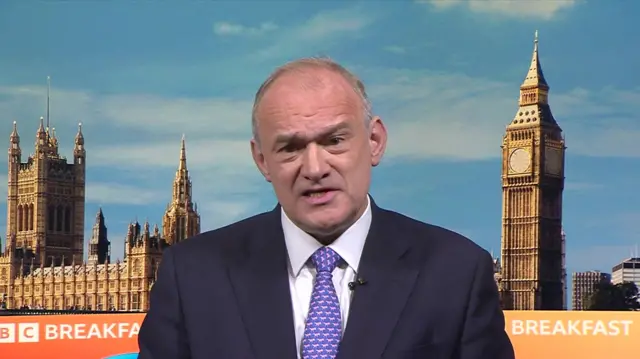
    Ed Davey sits in front of the BBC Breakfast background

    Leader of the Liberal Democrats Ed Davey says this morning's announcement to cut VAT on electricity bills doesn't go far enough to help people with the cost of living.

    Speaking to BBC Breakfast this morning, Davey says: "I don't think it's the best way to help people with energy bills and it doesn't go far enough, but at least it's something isn't it."

    He adds that his party has an alternative plan which they estimate would give people double the household savings.

    Davey says the Lib Dems want a Budget "as soon as possible" so that people can see "the real Mr Burnham".

    Meanwhile, on Burnham's pledge to reform the social care system, Davey says he welcomes the fact this has been "put on the table".

    He tells the BBC he has written to Burnham to say if he is serious about social care reform his door is open, adding that cross party talks are essential.

    "Let's get round the table and sort these things out for our country," Davey adds.

  15. The cabinet - who's in and who's out?published at 07:05 BST

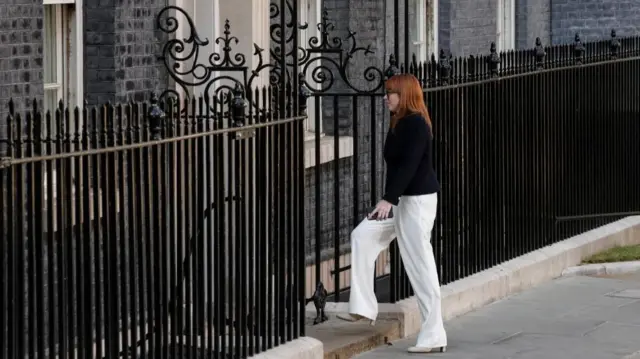
    Angela Rayner walks up the steps of Number 10Image source, Reuters

    Throughout yesterday afternoon and evening, we saw a number of familiar faces walking along Downing Street to find out what their role would be in Andy Burnham's new government.

    Who's in?

    • Chancellor John Healey
    • Chancellor of the Duchy of Lancaster Louise Haigh
    • Foreign Secretary Ed Miliband
    • Home Secretary Shabana Mahmood
    • Defence Secretary Wes Streeting
    • Health Secretary Yvette Cooper
    • Housing Secretary Angela Rayner
    • Justice Secretary Alex Norris

    Who's out?

    This means Rachel Reeves loses her job as chancellor while David Lammy returns to the back benches having previously been justice secretary.

    Steve Reed had been housing secretary under Keir Starmer, while Peter Kyle has been replaced by Jonathan Reynolds as business secretary.

    Our visual journalism colleagues have collated a fuller list of Burnham's cabinet here.

  16. Burnham's first full day as PM after cabinet announced yesterdaypublished at 06:55 BST

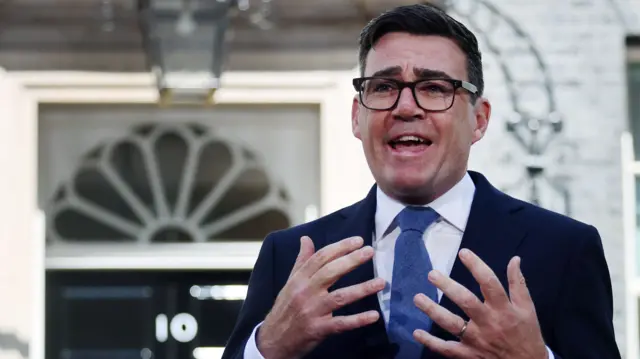
    A headshot of Andy Burnham as he speaks outside Number 10Image source, EPA

    Today is Andy Burnham's first full day as prime minister.

    Yesterday, former Prime Minister Keir Starmer officially resigned and Burnham was invited by King Charles III to form a government.

    By the end of the day, the new cabinet had been appointed and announced.

    John Healey is now the country's chancellor, with Ed Miliband taking on the role of foreign secretary.

    Several ministers are staying put, including Heidi Alexander as transport secretary and Douglas Alexander as secretary of state for Scotland, while others are returning - most notably Angela Rayner as housing secretary.

    In his first major policy decision, Burnham announced earlier that he will remove VAT from domestic electricity bills after pitting the cost of living as one of his core priorities.

    Later today we're expecting to hear more on that, but first we'll catch you up on everything that happened yesterday.

  17. Cutting VAT helps some more than otherspublished at 06:46 BST

    Kevin Peachey
    Cost of living correspondent

    Cutting VAT on electricity bills will not mean an equal saving for all households.

    High electricity users will see the biggest cut when the 5% levy is removed in October.

    They might include larger homes, but also some vulnerable people who use a lot of electricity for medical equipment.

    There were rumours that VAT could be cut from energy bills by the previous chancellor in the last Budget.

    Instead, Rachel Reeves reduced household energy bills in April by removing a green levy and moving others onto general taxation.

  18. What was the digital ID scheme?published at 06:42 BST

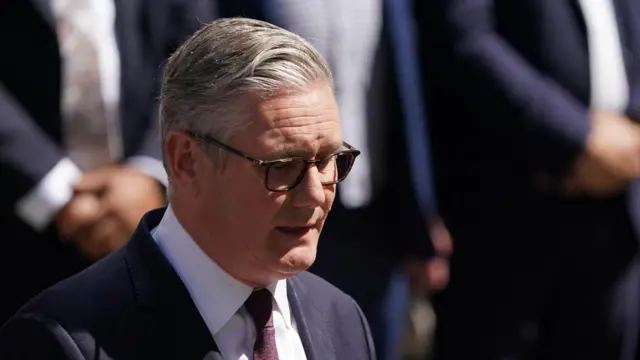
    Keir StarmerImage source, PA
    Image caption,

    Last year Starmer told the BBC he expected digital ID would save money overall "because it stops fraud"

    The government's decision to cut VAT from household electricity bills will be funded by the cancellation of the digital ID programme.

    Plans for a digital ID scheme had initially been introduced by Keir Starmer ahead of Labour's party conference last year.

    The move will "put more money in people’s pockets and bring back hope", Andy Burnham says.

    At the time the scheme was announced, Starmer argued that mandatory digital ID for workers would make it easier to clamp down on immigrants working illegally and modernise the state.

    As well as tackling illegal immigration, the former PM said the scheme would enable citizens to prove identity to access key services quickly instead of having to hunt for utility bills.

  19. Tax cut will give families some breathing room on bills - Healeypublished at 06:29 BST

    John HealeyImage source, EPA/Shutterstock

    The UK's new Chancellor John Healey says cutting VAT from domestic electricity bills will be funded from cancelling the Digital ID programme.

    The reduction from 5% VAT to 0% will come into effect on 1 October, saving a typical household about £45 a year.

    Healey says the measure will help bring down inflation while supporting households in every postcode, adding that "for too long, too many people have struggled with the cost of living".

    "Today’s energy tax cut will give families some breathing room on bills, and provide some reassurance this winter," he adds.

  20. VAT cut to be funded by savings from scrapping digital ID programmepublished at 06:19 BST

    Henry Zeffman
    Chief political correspondent

    The government says the announcement was estimated to cost £850m this financial year and would be funded by savings from the cancellation of the digital ID programme, which was going to cost £1.8bn over the next three years.

    John Healey, the new chancellor, says the announcement will “provide some reassurance this winter.”

    Burnham said: “Westminster has not been working for people for too long, with families struggling with the cost of living. That needs to change."