Summary

  • Andy Burnham says he will remove VAT from electricity bills, marking his first major policy announcement as prime minister

  • The rate of VAT applied to household electricity will be cut from 5% to 0% on 1 October, saving a typical home about £45 a year - here's how the government plans to pay for it

  • Entering No 10 on Monday, Burnham said he would provide "breathing space" for people struggling with the cost of living - recap of his first speech as PM

  • John Healey, the new chancellor, says this move will "provide some reassurance this winter"

  • Yesterday, Burnham became prime minister and appointed his cabinet, making Ed Miliband foreign secretary, Louise Haigh chancellor of the Duchy of Lancaster and Wes Streeting defence secretary

  • Meanwhile, Angela Rayner took back her old job as housing secretary and Shabana Mahmood stayed on as home secretary

  • The new cabinet will meet for the first time later - we'll bring you images of that when it happens

  1. Davey says VAT cuts don't go far enough, but 'at least it's something'published at 07:15 BST
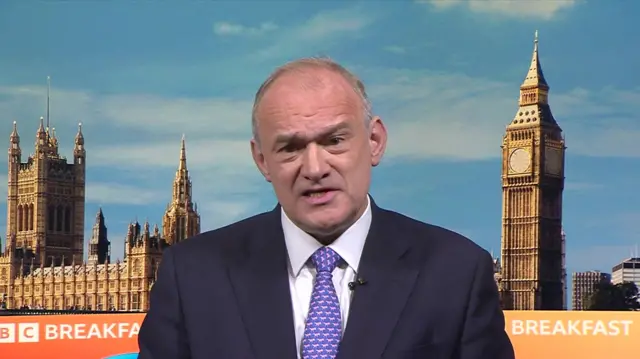
    Ed Davey sits in front of the BBC Breakfast background

    Leader of the Liberal Democrats Ed Davey says this morning's announcement to cut VAT on electricity bills doesn't go far enough to help people with the cost of living.

    Speaking to BBC Breakfast this morning, Davey says: "I don't think it's the best way to help people with energy bills and it doesn't go far enough, but at least it's something isn't it."

    He adds that his party has an alternative plan which they estimate would give people double the household savings.

    Davey says the Lib Dems want a Budget "as soon as possible" so that people can see "the real Mr Burnham".

    Meanwhile, on Burnham's pledge to reform the social care system, Davey says he welcomes the fact this has been "put on the table".

    He tells the BBC he has written to Burnham to say if he is serious about social care reform his door is open, adding that cross party talks are essential.

    "Let's get round the table and sort these things out for our country," Davey adds.
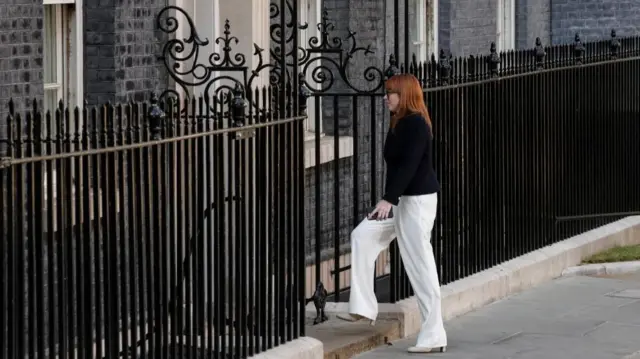
  2. The cabinet - who's in and who's out?published at 07:05 BST

    Angela Rayner walks up the steps of Number 10Image source, Reuters

    Throughout yesterday afternoon and evening, we saw a number of familiar faces walking along Downing Street to find out what their role would be in Andy Burnham's new government.

    Who's in?

    • Chancellor John Healey
    • Chancellor of the Duchy of Lancaster Louise Haigh
    • Foreign Secretary Ed Miliband
    • Home Secretary Shabana Mahmood
    • Defence Secretary Wes Streeting
    • Health Secretary Yvette Cooper
    • Housing Secretary Angela Rayner
    • Justice Secretary Alex Norris

    Who's out?

    This means Rachel Reeves loses her job as chancellor while David Lammy returns to the back benches having previously been justice secretary.

    Steve Reed had been housing secretary under Keir Starmer, while Peter Kyle has been replaced by Jonathan Reynolds as business secretary.

    Our visual journalism colleagues have collated a fuller list of Burnham's cabinet here.

  3. Burnham's first full day as PM after cabinet announced yesterdaypublished at 06:55 BST

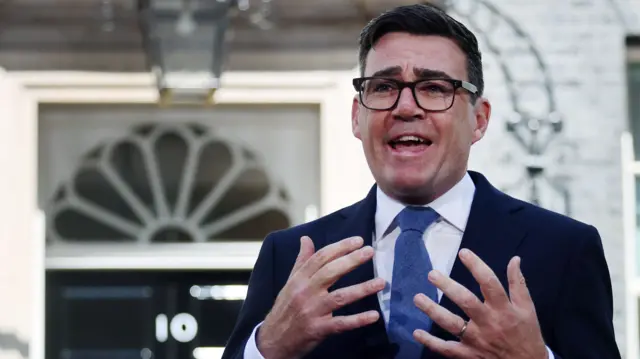
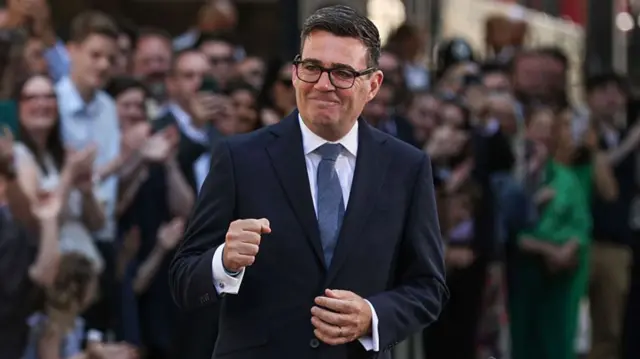
    A headshot of Andy Burnham as he speaks outside Number 10Image source, EPA

    Today is Andy Burnham's first full day as prime minister.

    Yesterday, former Prime Minister Keir Starmer officially resigned and Burnham was invited by King Charles III to form a government.

    By the end of the day, the new cabinet had been appointed and announced.

    John Healey is now the country's chancellor, with Ed Miliband taking on the role of foreign secretary.

    Several ministers are staying put, including Heidi Alexander as transport secretary and Douglas Alexander as secretary of state for Scotland, while others are returning - most notably Angela Rayner as housing secretary.

    In his first major policy decision, Burnham announced earlier that he will remove VAT from domestic electricity bills after pitting the cost of living as one of his core priorities.

    Later today we're expecting to hear more on that, but first we'll catch you up on everything that happened yesterday.

  4. Cutting VAT helps some more than otherspublished at 06:46 BST

    Kevin Peachey
    Cost of living correspondent

    Cutting VAT on electricity bills will not mean an equal saving for all households.

    High electricity users will see the biggest cut when the 5% levy is removed in October.

    They might include larger homes, but also some vulnerable people who use a lot of electricity for medical equipment.

    There were rumours that VAT could be cut from energy bills by the previous chancellor in the last Budget.

    Instead, Rachel Reeves reduced household energy bills in April by removing a green levy and moving others onto general taxation.

  5. What was the digital ID scheme?published at 06:42 BST

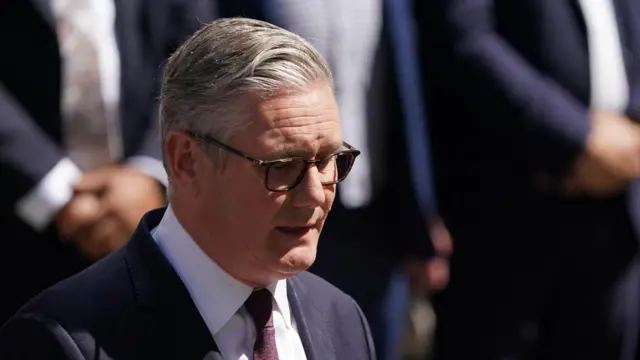
    Keir StarmerImage source, PA
    Image caption,

    Last year Starmer told the BBC he expected digital ID would save money overall "because it stops fraud"

    The government's decision to cut VAT from household electricity bills will be funded by the cancellation of the digital ID programme.

    Plans for a digital ID scheme had initially been introduced by Keir Starmer ahead of Labour's party conference last year.

    The move will "put more money in people’s pockets and bring back hope", Andy Burnham says.

    At the time the scheme was announced, Starmer argued that mandatory digital ID for workers would make it easier to clamp down on immigrants working illegally and modernise the state.

    As well as tackling illegal immigration, the former PM said the scheme would enable citizens to prove identity to access key services quickly instead of having to hunt for utility bills.

  6. Tax cut will give families some breathing room on bills - Healeypublished at 06:29 BST

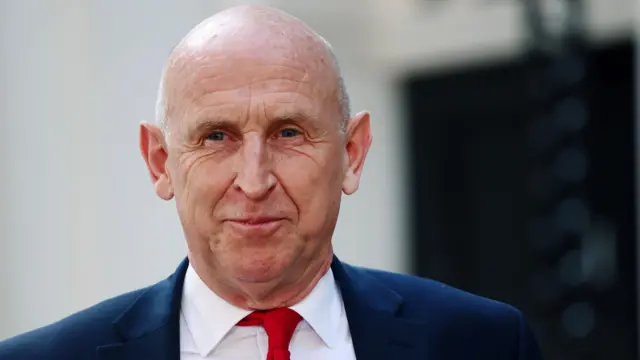
    John HealeyImage source, EPA/Shutterstock

    The UK's new Chancellor John Healey says cutting VAT from domestic electricity bills will be funded from cancelling the Digital ID programme.

    The reduction from 5% VAT to 0% will come into effect on 1 October, saving a typical household about £45 a year.

    Healey says the measure will help bring down inflation while supporting households in every postcode, adding that "for too long, too many people have struggled with the cost of living".

    "Today’s energy tax cut will give families some breathing room on bills, and provide some reassurance this winter," he adds.

  7. VAT cut to be funded by savings from scrapping digital ID programmepublished at 06:19 BST

    Henry Zeffman
    Chief political correspondent

    The government says the announcement was estimated to cost £850m this financial year and would be funded by savings from the cancellation of the digital ID programme, which was going to cost £1.8bn over the next three years.

    John Healey, the new chancellor, says the announcement will “provide some reassurance this winter.”

    Burnham said: “Westminster has not been working for people for too long, with families struggling with the cost of living. That needs to change."

  8. Burnham to remove VAT from domestic electricity billspublished at 06:11 BST
    Breaking

    Henry Zeffman
    Chief political correspondent

    Andy Burnham will remove VAT from domestic electricity bills in October, in his first major policy decision as prime minister.

    The rate of VAT applied to household electricity will be cut from 5% to 0%, starting on 1 October.

    The new prime minister said that the measure would “give people breathing space” and “put more money in people’s pockets.”

  9. Burnham’s cabinet appointed after first day as prime ministerpublished at 00:32 BST 21 July

    Britain's new Prime Minister Andy Burnham delivers his first speech outside 10 Downing Street in central London after being invited by King Charles III to form a new government, United Kingdom on July 20, 2026Image source, Getty Images

    Andy Burnham is the UK's new prime minister following Keir Starmer's official resignation on Monday morning.

    Burnham arrived at Buckinham Palace just after midday on Monday, where he was invited by King Charles to form a government, officially making him PM.

    Here are the key things that have happened since:

    • Burnham arrived at Downing Street to applause after his appointment as PM, where he delivered his first speech
    • Speaking without a lectern - or notes - he said he will soon lay our his 10-year-plan that will put power into "every postcode in the land"
    • Here's a rundown of the key points from Burnham's first speech as PM
    • Trump says that he has already spoken to Burnham following his acceptance of the premiership, writing on Truth Social that the pair had a "very good" phone call and would meet in the "not so distant future"

    Later Burnham began selecting who would make up his cabinet, and who would be on their way out of government.

    Notably, Rachel Reeves is out as chancellor, former deputy prime minister David Lammy returns to the backbench and Darren Jones was sacked as chancellor of the Duchy of Lancaster.

    Some of the key appointments include John Healey as chancellor, Ed Miliband as foreign secretary and former deputy PM Angela Rayner returning to government as housing secretary. Wes Streeting has also made his return to Cabinet, this time as defence secretary.

    You can see who has - and who has not - made the cut in our full list.

    We are pausing our live coverage for now, but you can read more in our full online article.

  10. Special operations police seen outside potential No 10 North HQpublished at 00:14 BST 21 July

    Judith Moritz
    Reporting from Manchester

    Specialist operations police officers have been seen guarding a building believed to be a possible base for the government’s new "No 10 North”.

    Earlier, a source close to Andy Burnham told the BBC that the new Manchester branch of the prime minister’s office is up and running, although its exact location has not been made public.

    A group of officers arrived at Heron House, a secure site in the city centre that already houses GCHQ offices.

    It’s thought the building could serve as the temporary headquarters of No 10 North while a permanent site is identified.

    The Metropolitan Police’s Specialist Operations command is responsible for protecting high-profile government buildings and officials, including at Downing Street.

  11. Final batch of cabinet appointments announced tonightpublished at 00:04 BST 21 July

    No 10 has confirmed the final batch of new cabinet positions announced tonight:

    • Kanishka Narayan, who was previously online safety and AI minister, has been appointed AI minister and will attend cabinet
    • Ellie Reeves, former chair of the Labour Party and sister of the departing chancellor Rachel Reeves, will become attorney general and attend cabinet
    • Stephen Kinnock, ex-care minister and son of former Labour leader Neil Kinnock, will be the secretary of state for Wales
    • Hamish Falconer becomes minister for intergovernmental relations and European relations and will attend cabinet
    • Chris Bryant moves from minister for trade to Northern Ireland secretary
    • Emma Reynolds, former environment secretary, takes on the role of chief secretary to the treasury and will attend cabinet

    Several ministers will stay in their posts:

    • Heidi Alexander – transport secretary
    • Douglas Alexander – secretary of state for Scotland
    • Alan Campbell – leader of the House of Commons and lord president of the council
    • Baroness Smith – lord privy seal and leader of the House of Lords
    • Matthew Pennycook – minister of state in the Ministry of Housing, Communities and Local Government
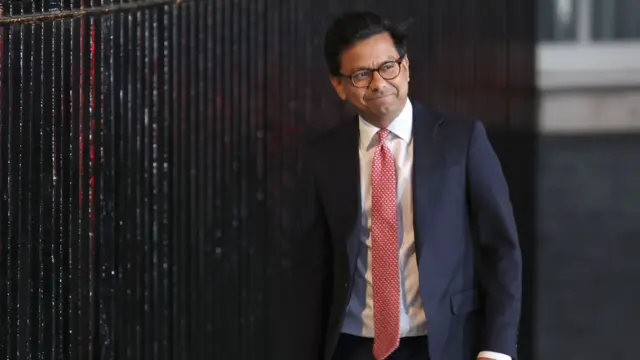
    Kanishka Narayan MP walking into Downing Street, wearing a salmon-white checkered tie and navy jacket. He wears round frames.Image source, gETTY
    Image caption,

    Kanishka Narayan MP takes on a new cabinet-level position of AI minister.

  12. Trump says he had a 'very good' phone call with Burnhampublished at 23:51 BST 20 July
    Breaking

    US President Donald Trump has said he has had a "very good conversation" with new prime minister Andy Burnham.

    He said the call "went very well" and described it as "interesting" in his latest post to Truth Social.

    The president said that the call saw the two world leaders discuss North Sea oil, the military alliance, the de-mining of the Strait of Hormuz and "many other topics".

    "We discussed many subjects, including the outstanding relationship we have had with the UK," wrote Trump, suggesting the pair will meet in person in the "not too distant future" about "topics of mutual interest".

    The post went on: "The Prime Minister has got a big job ahead of him, but he will be able to do it and, of course, the U.S.A. will be there to help!"

  13. The failed experiment of the Department of Science, Innovation and Technologypublished at 23:46 BST 20 July

    Pallab Ghosh
    Science correspondent

    Downing Street has announced the Department for Science, Innovation and Technology (DSIT) has been merged with the Department of Business and Trade.

    Responsibility for science policy has moved back to the business department.

    The scientific community will be concerned that its voice at cabinet table has been diminished. But under DSIT that voice was only there only in name.

    The department’s four secretaries of state since its formation three and a half years ago focused on AI and digital harms.

    The reorganisation won’t change much on the ground. The same civil servants will do the same jobs, in different departments and using different email addresses.

    Ultimately, Andy Burnham appears to have judged DSIT as scientific experiment that didn’t quite work.

  14. Swinney says Scotland will be 'willing partner' in discussions on devolutionpublished at 23:28 BST 20 July

    Glenn Campbell
    BBC Scotland Political Editor

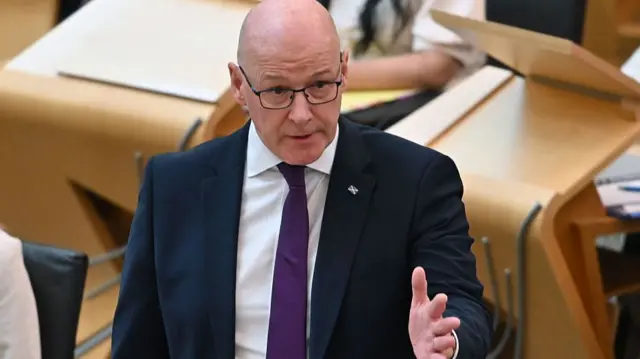
    First Minister John Swinney during First Minister's Questions in the Scottish Parliament, on June 25, 2026Image source, Getty Images

    Scotland’s First Minister John Swinney promised to work constructively with Andy Burnham where he can - especially on reducing the cost of living - and said he expected to speak to him tonight.

    He said the Scottish government will be a “willing partner” in discussions about transferring more powers from Westminster to Scotland.

    The SNP wants Holyrood to have a say on immigration, employment and energy. It’s not clear that any of that is on offer.

    Instead, Burnham has stressed his desire to devolve power beyond the Scottish Parliament, deeper down into cities and local communities.

    While that could be a source of tension, the two governments definitely disagree on another independence referendum.

    Swinney wants to have one. Burnham has told Scottish Labour MPs he will maintain the UK government’s opposition.

  15. Justice, environment and net zero secretaries announcedpublished at 23:12 BST 20 July

    Downing Street has also made the following cabinet appointments:

    • Alex Norris, former border security and asylum minister, is named lord chancellor and justice secretary
    • Angela Eagle has been promoted to cabinet from security minister to environment, food and rural affairs secretary
    • Miatta Fahnbulleh, the former communities minister who quit Starmer's government after the May local elections, has been appointed energy security and net zero secretary

  16. Wes Streeting named defence secretarypublished at 22:52 BST 20 July
    Breaking

    Wes Streeting has been named defence secretary by Andy Burnham, Downing Street has announced.

    The former health secretary resigned in May after stating he had lost confidence in Keir Starmer's leadership.

  17. Rhun ap Iorwerth hopes for opportunity for a reset with governmentpublished at 22:35 BST 20 July

    Elliw Gwawr
    BBC Wales political correspondent

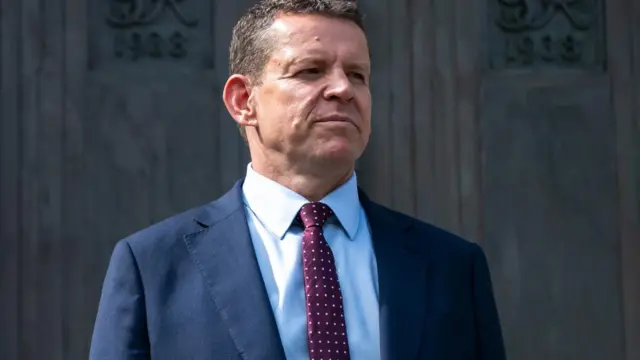
    Rhun ap Iorwerth stood in front of a wooden doorImage source, Welsh government

    Wales' first minister Rhun ap Iorwerth says he hopes having a new prime minister will be "an opportunity for a reset" in the relationship between the two governments.

    He said that Keir Starmer didn't take "much interest in devolution, much interest in Wales" but that he was hopeful the relationship with Andy Burnham would be better as he has a background "of understanding and appreciating the value of devolution to Manchester".

    Reflecting on the change in the Secretary of State for Wales, ap Iorwerth says it has to be "someone who respects and wants to see devolution work".

  18. A closer look at Burnham's day-one commitment to end rough sleepingpublished at 22:33 BST 20 July

    Alison Holt
    Social affairs editor

    Burnham’s first pledge as PM is that he will end rough sleeping.

    Homelessness and housing policies are devolved, meaning this will either only apply to England, or he will have to work with the administrations in Scotland, Wales and Northern Ireland to meet his goal.

    In England, the number of rough sleepers has reached record levels - the latest official figures show 4,793 people were found sleeping rough on one night in autumn of 2025.

    When Burnham became Mayor of Greater Manchester in 2017, he pledged to end the need for rough sleeping in the area by 2020 - a target he failed to achieve.

    Even during the pandemic, with the national policy that everyone should have somewhere to stay, some people remained on the streets across England.

    A lack of affordable housing and the rise in non-EU migrants have driven the increase in street homelessness, according to the Centre for Social Justice (CSJ), but other issues such as difficulty getting mental health or addiction support can also be factors.

    It is an indication of how the success of the new PM’s promise to end rough sleeping will be tied up with the decisions he makes on other policies, such as housing, immigration and health care.

  19. Burnham picks Powell to deliver aspiration to change education systempublished at 22:21 BST 20 July

    Vanessa Clarke
    Senior education reporter

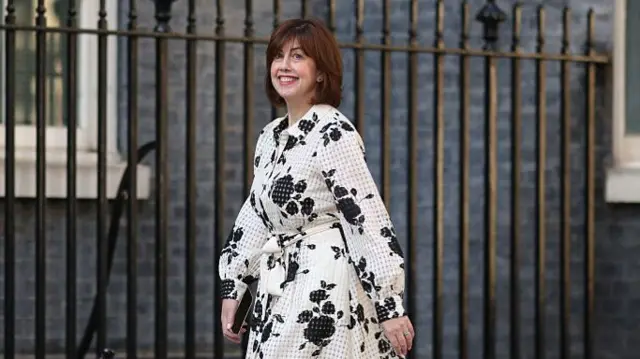
    Deputy Leader of the Labour Party Lucy Powell arrives in Downing Street on July 20, 2026Image source, Getty Images

    Before Lucy Powell was appointed education secretary, Burnham said he would "help more young people into work by changing the education system" in his first speech as PM.

    Clearly he believes Powell is the right person to help him do that.

    In previous speeches, Burnham has said that every young person should leave school with a clear pathway into university, training or work.

    This reflects a growing concern over the number of young people who are not in education, employment or training, which now stands at more than one million.

    But there are also other challenges ahead.

    Among them are controversial changes to the Special Educational Needs and Disabilities (SEND) system in England, and there is uncertainty over whether teachers will accept the latest pay offer, with a ballot planned for the autumn.

    Both issues were mentioned by teaching unions today as they welcomed Burnham into office.

  20. Rayner says she returns to cabinet with 'renewed drive' to put 'power back in people’s hands'published at 22:18 BST 20 July

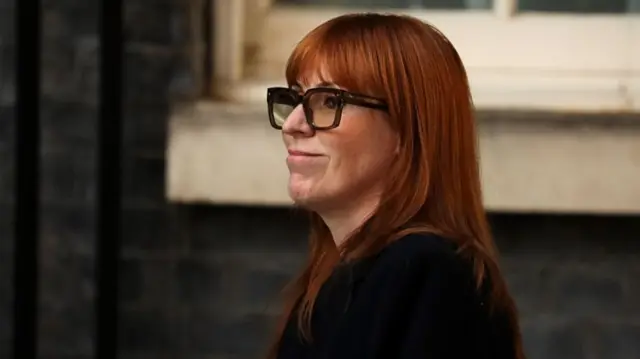
    Angela Rayner arrives at Downing Street on July 20Image source, Getty Images

    Angela Rayner has said she is "delighted" to be returning to the role of housing secretary, which she previously held in Keir Starmer's government.

    "Andy Burnham's vision of good growth in every postcode demands we build on the foundations we have already laid to bring the change we have promised," she writes on social media.

    "I look forward to returning to government with renewed drive and determination to put power back in people’s hands - and hope back in our hearts."

    • For context: Rayner resigned as both deputy prime minister and housing secretary in September 2025 after admitting she underpaid stamp duty on her £800,000 flat in Hove - with the matter settled with HMRC in May of this year