Statistics about the national state of young people’s mental health have become a regular fixture in news headlines, with one-in-five children in Britain and one-in-eight in Northern Ireland believed to have a mental health disorder. Yet behind the numbers are millions of ordinary parents trying to understand how they can get the right support for their child.
Bitesize Parenting breaks down some of the most common conditions for children in the UK into simple, non-clinical language to help you understand what they are and how to seek help if you think your own child is suffering.
Anxiety: What is it and what can parents do?

Anxiety in children - and in all of us - is normal, particularly around times of change such as starting a new school or exam season. However, if it starts to affect their overall wellbeing, if it is getting worse and doesn’t go away, or if it’s stopping them from taking part in daily activities, then it’s time to seek support.
You may notice young children becoming irritable or clingy, they may struggle to sleep or regularly wake up in the night. Sometimes they start wetting the bed or have a lot of stomach or head aches.
Older children may lack confidence, find it tricky to concentrate or have sudden flashes of anger. They may find it hard to sleep or eat, struggle with negative thoughts and start avoiding activities they used to enjoy.
To help, talk to your child about their feelings and offer them some tools for managing their anxiety. If the problem doesn’t go away, is becoming an issue at school or is affecting their relationships with friends or family members then you should ask for professional help.
Start with your GP who can refer your child to the local children and young people's mental health services (CYPMHS). Treatments include talking therapies, counselling and, in some cases, medication.
How to tackle anxiety with Dr Anna Colton features seven techniques parents can teach their children to calm their anxiety.
For many children, going to school can be one of the biggest triggers for anxiety. These two articles explore EBSA - emotionally-based school avoidance.
School anxiety and refusal: How parents can help their child get through tough times
How can I support myself and my child through their school anxiety and avoidance?
Find more information from the NHS on anxiety disorders.
The charity Young Minds has some useful suggestions
How do I spot signs of depression in my child and what can I do?

Some of the symptoms of anxiety overlap with those of children suffering from depression, who may also have big weight changes, feel empty, have thoughts about suicide or self-harming and actually self-harm. Causes include difficulties at home, bullying, abuse, bereavement, or a family history of depression or other mental health problems.
Again, ask them about their experience without minimising it. If they don’t want to talk to you then let them know you are always available if they change their mind - or ask another trusted adult to speak to them in your place. If you think they might be depressed speak to your GP - do this right away if you suspect they are thinking about suicide or self-harming.
What to do in a mental health emergency
The NHS has more information on depression in children.
What is an eating disorder and how can I help my child?
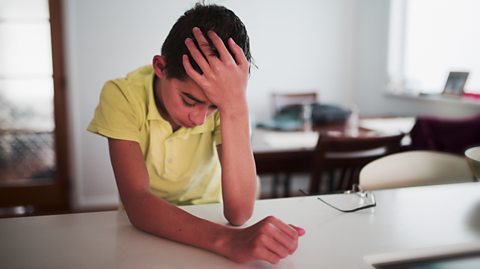
This can involve eating more or less than the body needs, or vomiting up food after it has been eaten. Eating disorders include anorexia nervosa, ARFID (avoidant/restrictive food intake disorder), binge eating disorder, bulimia nervosa and OSFED (other specified feeding or eating disorder). Children with eating disorders often compare themselves negatively with others and often have additional mental health problems, including anxiety or depression.
The issue most commonly begins in adolescence, but can start at other times in childhood. According to NHS England, in 2023 0.2% of 11-16 year-olds had been diagnosed with anorexia and 0.5% with bulimia nervosa, compared to 3.3% and 1.7% of 17-19 year olds. Girls were four times more likely than boys to be diagnosed with an eating disorder.
If you are worried about your child’s eating, speak to your GP who will refer them for specialist help. Treatment depends on the individual and the condition. Children are usually offered family therapy, which can include a combination of solo and group sessions with a therapist to discuss how the condition is affecting them and ways to cope. Teenagers usually have one-to-one sessions over 12-18 months.
You can find out more on the NHS website, about anorexia and bulimia as well as how to talk to your child about eating disorders. Further support is available from the charity Beat Eating Disorders.
Autistic children can develop eating disorders that are linked to sensory issues and mental health. Read more here: How can I help my autistic child eat new foods and be healthy?
What are conduct disorders?
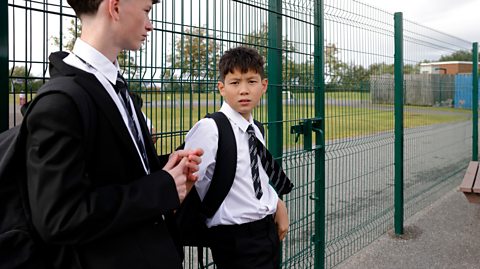
When a child carries out antisocial behaviour repeatedly over a period of time, including actions that are upsetting, aggressive or frightening to other people, or are against the rules or unlawful, it could be caused by a conduct or behavioural disorder.
Children with a conduct disorder may also find it hard to control their temper and may lie to other people.
There is also another type of conduct disorder, known as “oppositional defiant disorder”, which usually involves children pushing back against parents or carers by arguing and refusing to do as they ask. This tends to be seen in younger children.
If you think your child is showing the symptoms of a conduct disorder, you should start by asking your GP for help. You can also contact your local Child and Mental Health Services (CAMHS), which is funded by the NHS. Your child’s school or college may also be able to help put you in touch with support services.
Treatment usually involves your child meeting with a psychologist, psychiatrist or therapist to discuss their feelings and thoughts and the impact on their behaviour and wellbeing. Sometimes this will also involve parents and other key people in their lives.
For more information, NICE has a detailed guide to conduct disorders and their treatment.
Read more on the current context in child mental health - with the number of children referred to mental health services in England rising by 10% in a year to one in ten children: Over one million children referred for mental healthcare - with anxiety the main reason
Key points to remember:
Watch for signs of changes in your child's mood and behaviour.
Talk with your child about their feelings.
Seek help from NHS and school professionals, research charities for further advice.
This article was published in June 2026

Bitesize Parenting
Fun activities, real-life stories, wellbeing support and loads of helpful advice - we're here for you and your child.
Mental health first aid kit for parents: Who to ask and what to do
Worried that your child needs help with their mental health? Here's how you can access professional help and support your child while you wait.

School anxiety and refusal: How to help your child get through tough times
Tips to help parents understand emotionally-based school avoidance and offer support to their child.
What does CAMHS stand for and what do CAMHS do?
Parents' Toolkit guide to Child and Adolescent Mental Health Services covering what support CAMHS can provide, how to get a CAMHS referral and how long a CAMHS referral takes.
What is a school SENCO?
Bitesize Parenting guide to the role of a Special Educational Needs Coordinator, what questions to ask a SENCO, and how can a SENCo help my child?
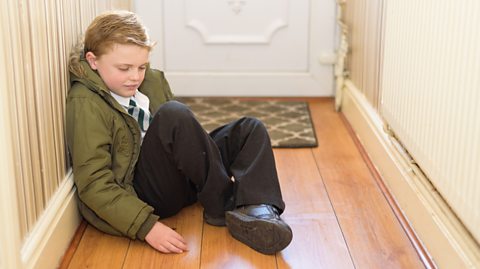
What can I do while my child waits for CAMHS?
Five things you can do whilst waiting to access CAMHS support, professional mental health services or help for children and young people.