We’re a nation of tea lovers, drinking an estimated 100 million cups every day. From classic English Breakfast to matcha, ube and bubble tea, there are countless varieties enjoyed around the world. Tea is even celebrated every year on 21 May with International Tea Day.
So, as we put the kettle on, let’s separate fact from fiction and uncover the truth behind some of the internet’s biggest tea claims.
Does tea really contain more caffeine than coffee? Is bubble tea made with sheep poo? And can tea stain your teeth more than coffee?
Five claims about tea and the truth behind them
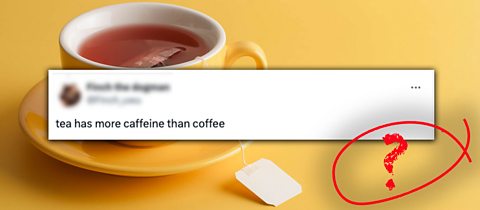
This one is technically true but it's a bit tricky to get your head around. Tea leaves contain around 3.5% caffeine, whilst raw coffee beans contain just 1-2%.
However, coffee is brewed differently and usually uses more beans, meaning the final drink often contains more caffeine overall. In other words, tea leaves may contain more caffeine by weight, but a cup of coffee will usually give you a bigger caffeine boost. According to the NHS, a typical mug of coffee contains more caffeine than a mug of tea.
Want stronger tea? Letting it brew for longer can increase the amount of caffeine released into your drink.
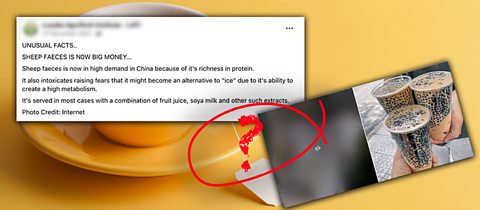
No, this viral claim is completely false.
A social media post shared in 2019 falsely claimed that bubble tea pearls were made from sheep droppings. The post used a screenshot from an unrelated YouTube video and edited it alongside a photo of bubble tea to mislead people.
Bubble tea actually contains chewy tapioca pearls, also known as boba, which are made from starch extracted from the cassava root. Check out our tips for how to spot fake news online to make sure you don't fall foul of false images.
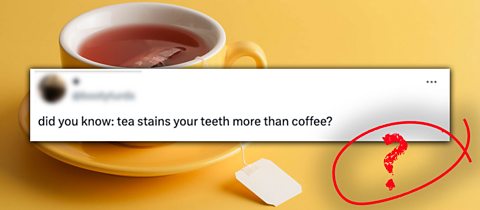
This is mostly true. Tea may stain your teeth more than coffee because of its higher tannin content. Tannins are a natural substance found in many plants. Both tea and coffee contain tannins which can lead to teeth staining.
Dentist Sam Hancock told BBC Good Food that drinks like tea, coffee and red wine are some of the biggest culprits for staining because of their tannins. He explained that anything capable of staining a plate can also stain your teeth.
Rinsing your mouth with water after drinking tea and brushing your teeth regularly can help reduce staining. You could even try drinking your brew through a straw, as it decreases contact between your teeth and the tea.
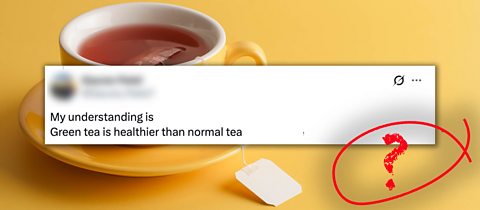
Not necessarily, both can have health benefits.
Green tea is often praised because it contains antioxidants called catechins (a plant-based antioxidant), which may help protect cells from damage. Black tea also contains antioxidants, just in different forms. According to the British Heart Foundation, tea contains antioxidants that have been linked to better heart and gut health.
Experts generally agree that both green and black tea can be part of a healthy diet, especially when drunk without too much sugar. The “healthiest” tea often comes down to personal preference and how it’s prepared.
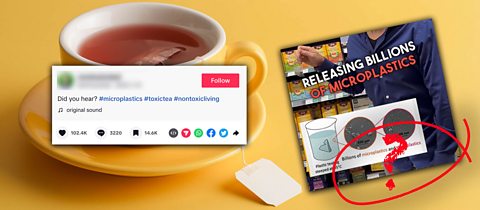
Some research suggests certain plastic-based tea bags may release tiny plastic particles called microplastics into hot water.
A 2019 study found that some premium pyramid-style tea bags released large numbers of microscopic particles when brewed. However, the long-term health effects are still unclear.
The World Health Organisation has said there is currently no evidence that microplastics in drinking water pose a major health risk, but more research is needed. If you’re concerned, many brands now offer plastic-free or biodegradable tea bags.
When on social media it's important to get information from a variety of sources and ensure you’re not being biased or misinformed.
When is International Tea Day?
International Tea Day is celebrated every year on 21 May. Officially recognised by the United Nations in 2019, the day celebrates the history, culture and economic importance of tea around the world.
It also highlights sustainable farming practices and supports the millions of people who work in the tea industry while giving tea lovers another excuse to enjoy a good cuppa.
This article was updated in May 2026

Not sure if the news you’re seeing on social media is true or false? Can you always tell if the things you see online are real or fake?
Learn how to get the other side of the story with our quizzes, videos and explainers about media skills and viral trends including popular food myths.


Other Side of the Story
Back to our homepage for more quizzes and explainers about fake news, viral trends and media skills.